Did you know that by 2026, over 70% of major digital platforms proactively block standard VoIP numbers during registration? If you've spent the last hour refreshing a public SMS log only to find the number already used or flagged, you aren't alone. These public "burner" sites have become a liability, exposing your data to anyone with the URL and triggering immediate account bans. Finding a secure alternative to free sms verification is no longer a luxury; it's a technical requirement for anyone needing reliable account access.
You likely realize that free services fail because they share numbers among thousands of users, creating a digital footprint that modern security algorithms easily detect. We understand the frustration of seeing a "virtual number not supported" error after carefully setting up a new profile. This guide explains why the era of public SMS logs is over and how you can transition to private, high-trust virtual number infrastructure. You'll discover how to leverage dedicated mobile VoIP rentals and private SMS activations to bypass strict filters and maintain long-term account stability.
Key Takeaways
- Public SMS logs expose your verification codes to the entire internet, creating a significant risk of account takeover and personal data leaks.
- Most major platforms now use carrier lookup databases to identify and block standard VoIP numbers, rendering free public services ineffective for new registrations.
- Transitioning to a private infrastructure offers a secure alternative to free sms verification by providing dedicated numbers with confidential inbound-only logs.
- Reliable account creation in 2026 requires high-trust mobile VoIP or long-term number rentals that bypass automated "virtual number" detection filters.
- Using an API-driven professional service allows you to scale multiple accounts while maintaining complete separation between your digital identity and your primary phone number.
Table of Contents
- The Hidden Risks of Using Free SMS Verification Services
- Why Major Platforms Block Free Virtual Numbers
- The Secure Alternative: Private Virtual Number Rentals
- Selecting a Professional Verification Provider: 2026 Checklist
- Anosim: High-Trust Infrastructure for Secure Account Activation
The Hidden Risks of Using Free SMS Verification Services
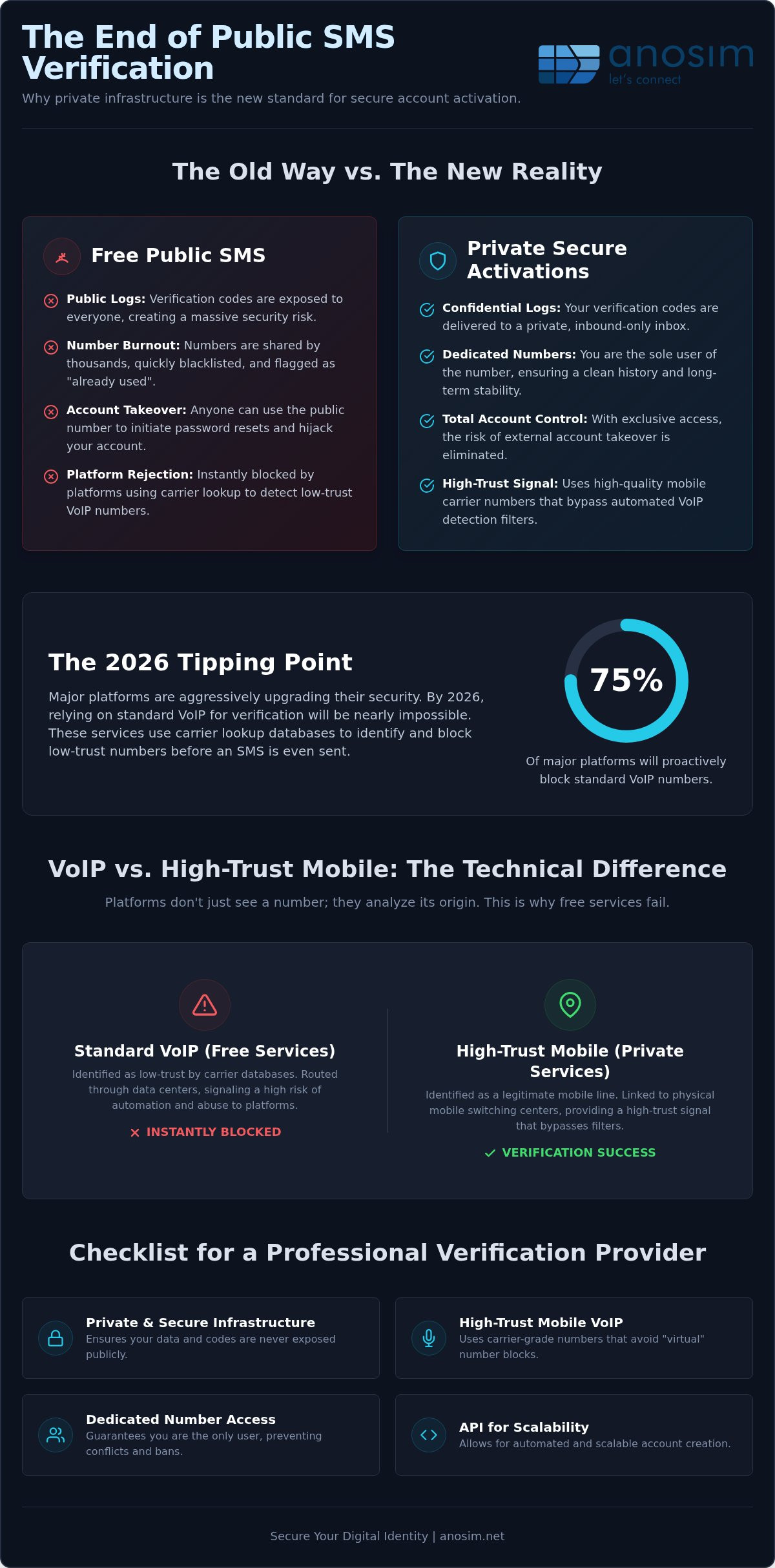
Free SMS services operate on a model of radical transparency that is fundamentally incompatible with digital security. When you use a public "burner" number, you aren't just receiving a code; you're broadcasting your registration attempt to a global audience. These platforms don't offer private inboxes. Instead, they provide a live stream of every message received by a specific number. If you are looking for a secure alternative to free sms verification, understanding this lack of isolation is the first step toward protecting your digital footprint.
The Public Log Trap
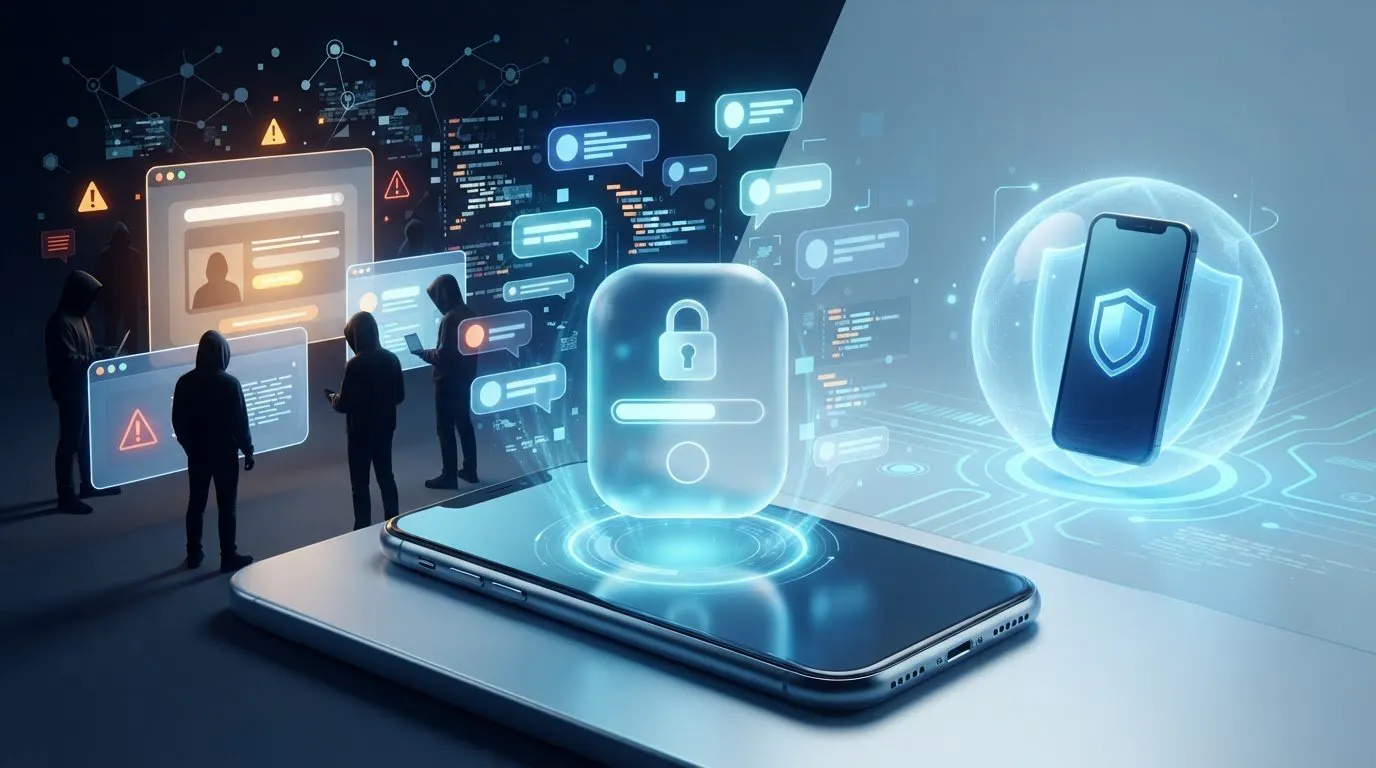
Public SMS receivers display incoming messages in real-time on a web page accessible to anyone. This creates a scenario where strangers can see your verification code alongside other metadata, such as the timestamp and the service you're trying to join. Contextual leaks occur when multiple services send codes to the same number simultaneously. For example, seeing a Tinder verification code and a specific location-based service code in the same log allows observers to build a profile of your activity. The Public Log Trap is a major vulnerability for 2026 digital identities because it removes the "private" element from private verification. If an attacker sees your code, they can often hijack the signup session before you even finish entering the digits.
Reliability and the "Number Burnout" Cycle
Free numbers exist in a constant state of burnout. Because thousands of users attempt to register on the same platforms using a handful of public numbers, major services like Google, WhatsApp, and Telegram quickly blacklist these assets. You've likely encountered the "This number has already been used" error or found that a number is flagged as "virtual" immediately. Providers often recycle these numbers across different user sessions, leading to several critical failures:
- Cross-user account bans: If a previous user violated a platform's terms of service, the next person using that number may face an automatic suspension.
- Data Harvesting: Free providers monetize your presence by tracking which platforms are being targeted for signups and selling visitor metadata to advertisers.
- Account Takeover: Since the logs are public, anyone can initiate a password reset on accounts linked to those numbers and view the resulting reset code.
This exposure is distinct from a SIM swap attack, yet the outcome is identical: your security depends on the integrity of a communication channel you don't control. While a SIM swap requires social engineering a carrier, public logs provide attackers with the necessary data for free. Transitioning to a private SMS activation is the only way to ensure your verification data remains confidential and that your accounts remain under your exclusive control.
Why Major Platforms Block Free Virtual Numbers
Most users believe that a phone number is just a string of digits, but for platforms like Google, Telegram, and WhatsApp, each number carries a hidden digital reputation. High-security platforms utilize real-time carrier lookup databases from aggregators like Telesign and Twilio to categorize numbers before sending a code. If a number is identified as Voice over Internet Protocol (VoIP) rather than a physical mobile line, the registration is often blocked instantly. This technical gatekeeping is the primary reason why finding a secure alternative to free sms verification is essential for account stability in 2026.
By 2026, an estimated 70-80% of major platforms actively reject VoIP numbers. These services track "burner" ranges and "Type 2" (non-mobile) classifications to prevent automated bot registrations. When a free SMS site adds a new number, it's typically added to these global blacklists within minutes. This creates a cycle where the number is technically active but practically useless for any platform with high-trust requirements.
VoIP vs. Non-VoIP Infrastructure
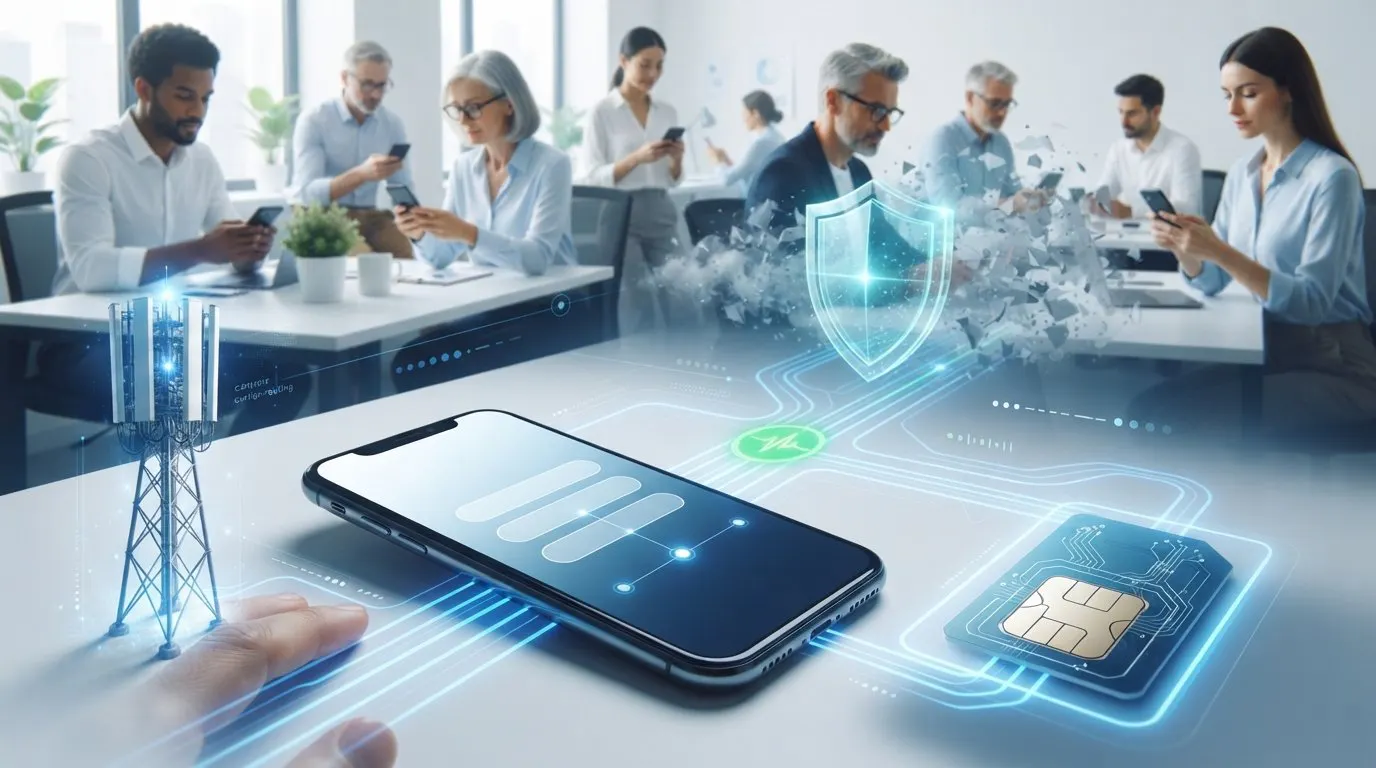
The distinction between a physical SIM and a virtual gateway lies in the routing profile. Physical SIM cards are linked to specific mobile switching centers, providing a "high-trust" signal. In contrast, virtual gateways often route through data centers, which platforms view as a risk factor. A Mobile VoIP rental serves as a superior middle ground. Unlike public burner numbers, these are sourced from legitimate mobile carrier ranges and aren't shared across a public database. This isolation ensures the number retains a clean reputation, making it far more likely to bypass the automated filters that flag standard virtual infrastructure.
The Connection Between Proxies and Verification
Security algorithms don't just look at the phone number; they analyze the environment from which the request originates. Attempting to verify a free number while connected to a flagged VPN or a low-reputation data center IP creates a "double red flag." This combination signals to the platform that the user is likely a bot or a bad actor, leading to immediate account bans. Utilizing mobile proxies from Anosim's partner proxied.com allows you to mimic the behavior of a real user on a cellular network. The synergy between a clean IP and a private virtual number creates a high-trust environment that mimics legitimate organic traffic. If you need consistent results, you might consider how to Rent Mobile VoIP infrastructure that combines these two layers of protection into a single, seamless workflow.
The Secure Alternative: Private Virtual Number Rentals
Shifting from public "burner" sites to private infrastructure is the only reliable way to bypass the technical filters and security risks discussed in previous sections. A secure alternative to free sms verification relies on three technical pillars: private inbound-only logs, dedicated number access, and mobile carrier-grade ranges. While public sites recycle numbers every few minutes, creating a massive digital footprint for platforms to track, professional services provide isolated environments that mimic legitimate user behavior.
The primary advantage of private infrastructure is the confidentiality of the inbound SMS log. In a private setup, you're the only person with access to the verification code, eliminating the "Public Log Trap" entirely. Additionally, because these numbers aren't shared across thousands of users, they don't trigger the "number already used" errors that plague free services. This isolation is critical for maintaining the integrity of your digital identity, especially when platforms use sophisticated carrier lookups to verify the legitimacy of a line.
SMS Activation for One-Time OTPs
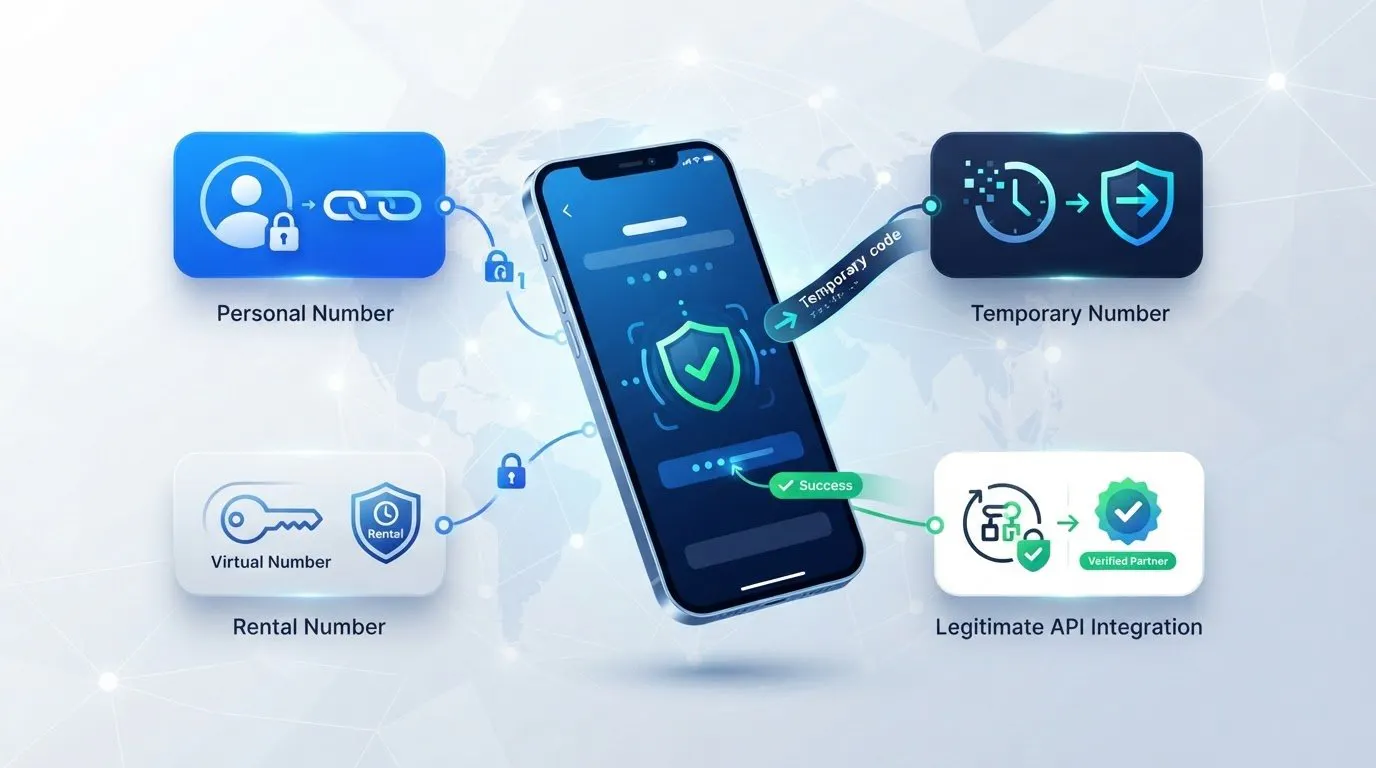
If you only need to verify an account once and don't intend to use the number for future security checks, a one-time activation is the most efficient choice. This activation service ensures the number is assigned to you exclusively for the duration of the verification process. You aren't "renting" a line for a month; instead, you're purchasing a single successful code delivery. This approach is ideal for quick signups on apps or services where you don't expect a re-verification request. It's a pragmatic solution that provides the high-trust signals of a mobile number without the commitment or cost of a long-term subscription.
Long-Term Rental for Account Stability
For platforms like WhatsApp, Telegram, or banking apps, a one-time code is often insufficient. These services frequently require re-verification if you log in from a new device or if their security algorithms detect a suspicious pattern. If you used a disposable free number, you'll find yourself in the "Account Locked" trap because you can't access that number again. Renting a number for 30 days or more provides a persistent digital anchor. This ensures that if a platform asks for a second code months later, you still have control over the line. It's a necessary tool for anyone managing professional accounts or high-value personal profiles that require long-term stability.
Choosing a private provider also allows you to bypass geo-fencing by selecting numbers from specific regions. If a service is only available in the Czech Republic or Poland, you can simply select a number from that territory to appear as a local user. While free sites offer a limited, burned-out selection of countries, a professional infrastructure gives you global reach. When you factor in the time saved from avoiding blocked accounts and the security of private logs, the small fee for a private rental is a logical investment in operational efficiency.
Selecting a Professional Verification Provider: 2026 Checklist
Identifying a secure alternative to free sms verification requires a shift in focus from simple cost to technical robustness. In 2026, the criteria for a reliable provider have evolved beyond simple availability. You must evaluate the underlying infrastructure and the provider's commitment to data isolation. A professional service acts as a silent partner, providing the necessary tools for digital tasks without compromising your operational efficiency or privacy.
When vetting a provider, prioritize these five essential features:
- Private Inbound Only: Ensure the service has a strict policy against public logs. Your verification codes must be visible only to you.
- Geographic Diversity: The availability of carrier-grade numbers from multiple countries is necessary to bypass geo-fencing and regional restrictions.
- Technical Integration: Support for the Anosim API (v1) or the SMS-Activate Standard API is critical for those managing high-volume or automated operations.
- Transparent Pricing: Avoid services with hidden recurring subscriptions. Look for clear pay-per-use models or fixed-term rental fees.
- Security Standards: The provider should utilize modern encryption and protocols to protect your account data and inbound message logs.
Evaluating Infrastructure Quality
Not all virtual numbers are created equal. You should prioritize providers that offer Rent Mobile VoIP services over standard SIP gateways. Mobile VoIP signals higher trust to platform algorithms by mimicking cellular network characteristics, making it far less likely to be flagged as a "virtual" number. Additionally, check the frequency of inventory updates. A provider that adds new number ranges regularly ensures that you aren't using "burned out" assets that have already been blacklisted by major platforms like Google or Telegram.
Privacy and Anonymity of the Provider
A true security facilitator shouldn't require more data than they protect. Evaluate whether the service allows signups with minimal personal information and supports anonymous payment methods like cryptocurrency. This ensures a "zero-link" profile between your financial identity and your digital accounts. Using temporary phone numbers for verification is only an effective strategy if the provider itself doesn't become a point of failure for your anonymity. If the service demands excessive KYC (Know Your Customer) data, it defeats the purpose of using a virtual number for privacy.
For those managing professional accounts or requiring long-term stability, you can explore professional Rent Mobile VoIP solutions to secure your infrastructure and maintain high-trust account status.
Anosim: High-Trust Infrastructure for Secure Account Activation
Anosim operates as a silent facilitator, providing the technical infrastructure required for reliable digital identity management. While previous sections detailed the vulnerabilities of public logs and the technical barriers created by VoIP flags, Anosim offers a robust, secure alternative to free sms verification by prioritizing private, carrier-grade routing. This service allows you to decouple your primary phone number from your digital footprint, ensuring that verification codes never reach public databases or compromise your personal data.
The platform is designed for efficiency. Whether you're an individual user protecting a single profile or an enterprise managing a fleet of accounts, the infrastructure remains stable and accessible. Anosim provides a suite of tools including SMS Activation for one-time needs and long-term rentals for persistent access, while the mobile proxies for maintaining a clean IP reputation come from Anosim's partner proxied.com. This comprehensive approach addresses every layer of the verification challenge mentioned earlier in this guide, focusing on utility and technical competence.
Scalable Solutions for Professionals
For users managing high-volume operations, manual verification is often a bottleneck. Anosim bridges this gap by offering a developer-centric environment. Integrating SMS activation APIs into your automated workflows allows for seamless, programmatic account creation. The Anosim API (v1) is engineered for reliability, allowing you to trigger activations and retrieve codes across hundreds of accounts through a single interface. This level of automation is essential for professionals who require operational speed without the risk of account bans associated with shared, low-reputation numbers. It's a necessary tool for those who value discretion and results over flashy consumer features.
Getting Started with Secure Verification
Transitioning to a private infrastructure is a straightforward process designed for immediate results. You don't need to navigate complex setups to secure your accounts. Follow these three steps to implement a secure alternative to free sms verification for your next registration:
- Step 1: Choose your service. Decide between a one-time Activation for quick signups or a Rent Service for accounts that require long-term stability and re-verification.
- Step 2: Select your parameters. Choose the target country and the specific platform you need to access, such as Telegram, Tinder, or Google.
- Step 3: Receive your code. Access your private inbound log to receive your code and complete your registration with the confidence that your data remains isolated.
If you're ready to move beyond the frustration of blocked numbers and public data leaks, you can secure your first account with Anosim today.
Securing Your Digital Footprint for 2026
The shift toward high-trust verification is no longer optional for anyone managing professional digital identities. As platforms increase their scrutiny of virtual numbers, the era of public SMS logs has come to an end. By moving away from shared burner numbers, you eliminate the risk of account takeover and avoid the frustration of immediate bans. It's a pragmatic shift that replaces technical failure with reliable, isolated access.
Adopting a secure alternative to free sms verification ensures your verification data remains confidential and your accounts stay stable. Anosim provides the necessary infrastructure through private, non-public SMS logs and global mobile carrier ranges. Whether you're an individual or a developer using our API v1 for bulk operations, you gain a silent partner that prioritizes technical accuracy. You don't have to settle for the insecurity of public tools when professional-grade options are available.
It's time to stop fighting with blacklisted public numbers and start building on reliable infrastructure. You can Switch to Secure SMS Verification with Anosim and regain control over your account registration process. Protecting your privacy is a practical step toward long-term digital efficiency.
Frequently Asked Questions
Is it safe to use free SMS verification for my bank or crypto exchange?
No, it's highly insecure for financial services. Because free services use public logs, any stranger can see your one-time password and potentially hijack your account. Most banks also utilize carrier lookup databases to block VoIP numbers. Choosing a secure alternative to free sms verification is necessary to ensure your sensitive financial data remains private and your registration attempts aren't flagged as fraudulent by high-security algorithms.
Why do sites like Google and Tinder say my virtual number is invalid?
These platforms identify the "VoIP" or "virtual" flag associated with the number's carrier range. Services like Google and Tinder use real-time databases to reject numbers not linked to a physical SIM card. Free numbers are also blacklisted almost immediately because they're shared by thousands of users. To bypass these filters, you need a high-trust number from a mobile carrier range that doesn't trigger automated bot detection systems.
What is the difference between a "Burner Number" and a "Private Virtual Number"?
The primary difference lies in isolation and visibility. A burner number is typically a public resource where every message is visible to the entire internet. In contrast, a private virtual number provides a dedicated line with an inbound-only log accessible only to you. This isolation ensures that your digital identity isn't compromised by other users and that platforms don't link your account to thousands of other registrations.
Can I receive multiple SMS codes on the same rented number?
This depends on the specific service you select. If you choose an SMS Activation, you're typically paying for a single code for one specific platform. However, if you use a Rent Number service, you have exclusive access to the line for the duration of your rental period. This allows you to receive multiple codes from various services or handle re-verification requests without needing to change your number.
Do I need a VPN or proxy when using a secure SMS alternative?
Using a proxy or VPN is recommended to maintain a consistent digital identity. Platforms analyze your IP reputation alongside your phone number. If you use a high-trust mobile number with a flagged data center IP, the registration will likely fail. Utilizing mobile proxies from Anosim's partner proxied.com helps you mimic a legitimate user environment, significantly increasing your success rate when creating accounts on platforms with strict security protocols and geographic restrictions.
What happens to my account if the virtual number expires?
If your number expires and the platform requests a re-verification code, you'll be locked out of your account. This is a common issue with disposable services. For apps like WhatsApp or Telegram that frequently check for persistent access, a long-term Rent Number service is a more secure alternative to free sms verification. It provides the stability needed to maintain account access over months or years without the risk of losing the line.
How does Anosim protect my privacy compared to free websites?
Anosim provides technical infrastructure built on private inbound-only SMS logs. Unlike free sites that broadcast your messages to the public, Anosim ensures that your verification data is never shared or indexed. The service uses global mobile carrier ranges to provide high-trust signals that free sites cannot match. This approach protects your privacy by ensuring your digital activity remains isolated and invisible to third-party observers or automated data harvesters.
Can I automate SMS verification for my app using an API?
You can easily automate your workflows using professional integration protocols. Anosim supports API v1 and is compatible with the SMS-Activate Standard API for seamless cross-platform utility. This allows developers to manage hundreds of verifications through a single dashboard or automated script. It's an ideal solution for bulk operations where manual code entry is inefficient and high-trust mobile VoIP infrastructure is required for scalable account creation.