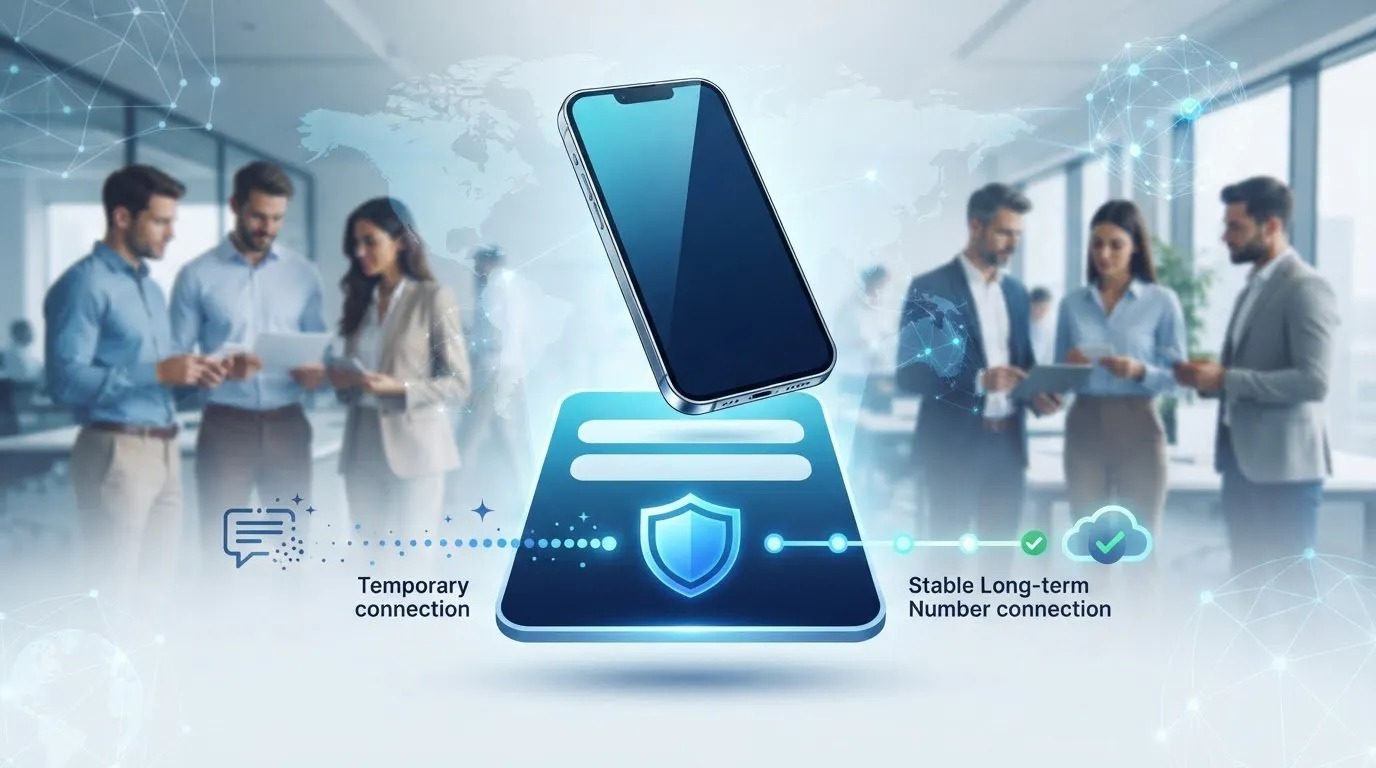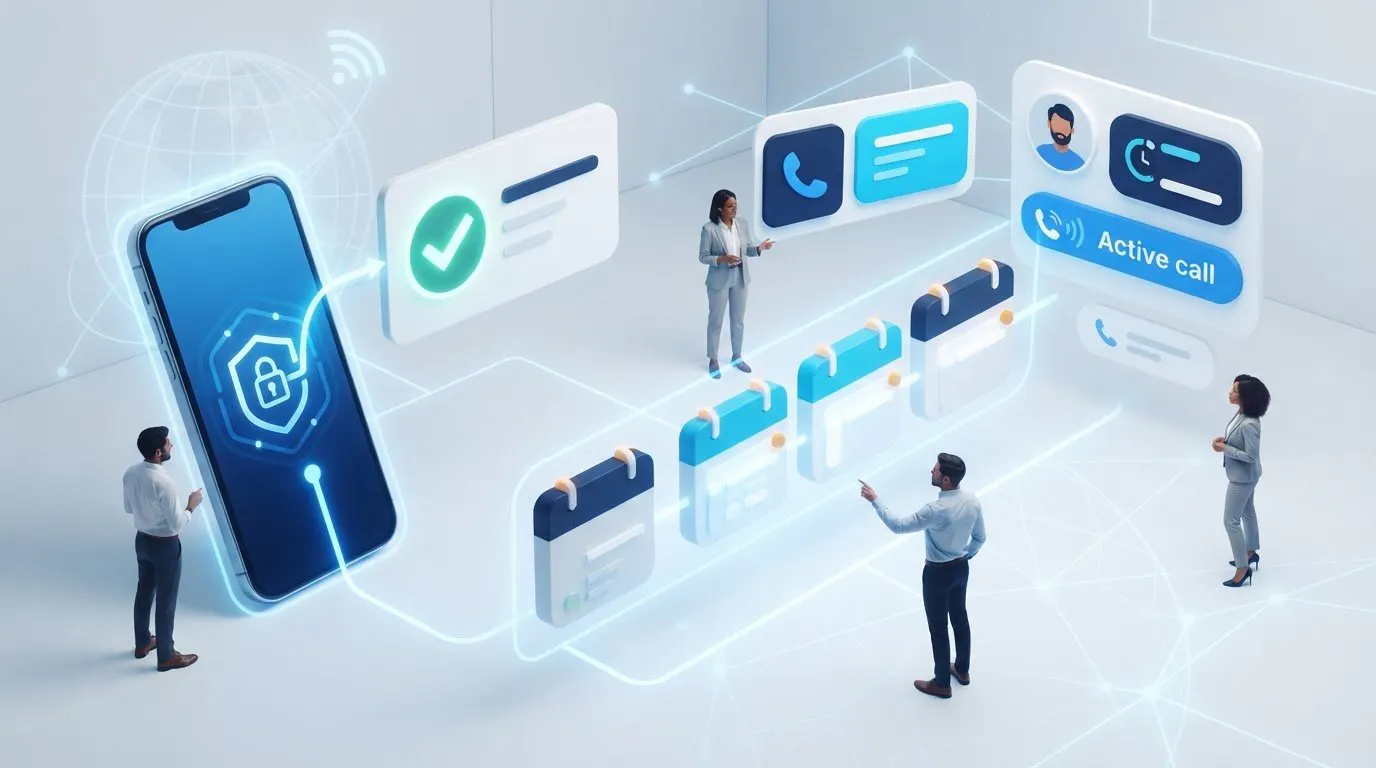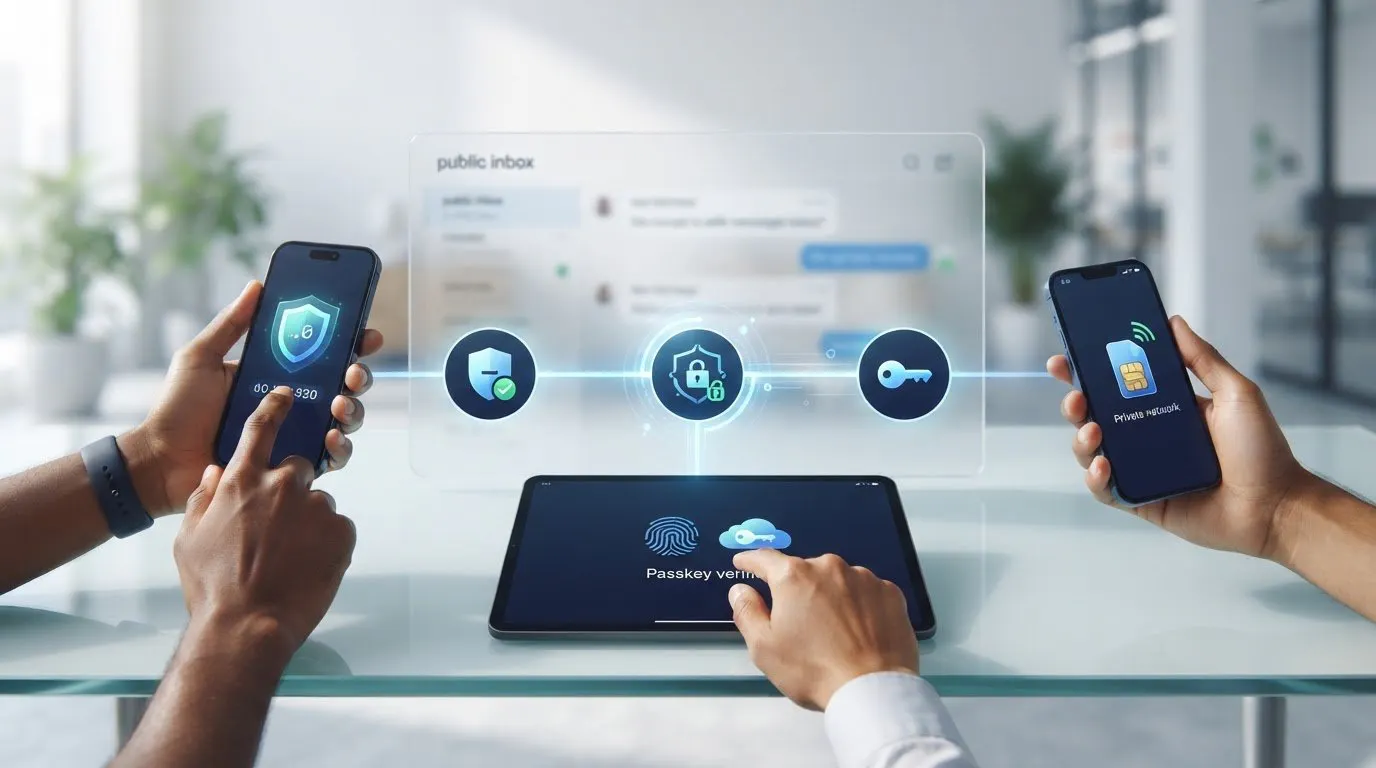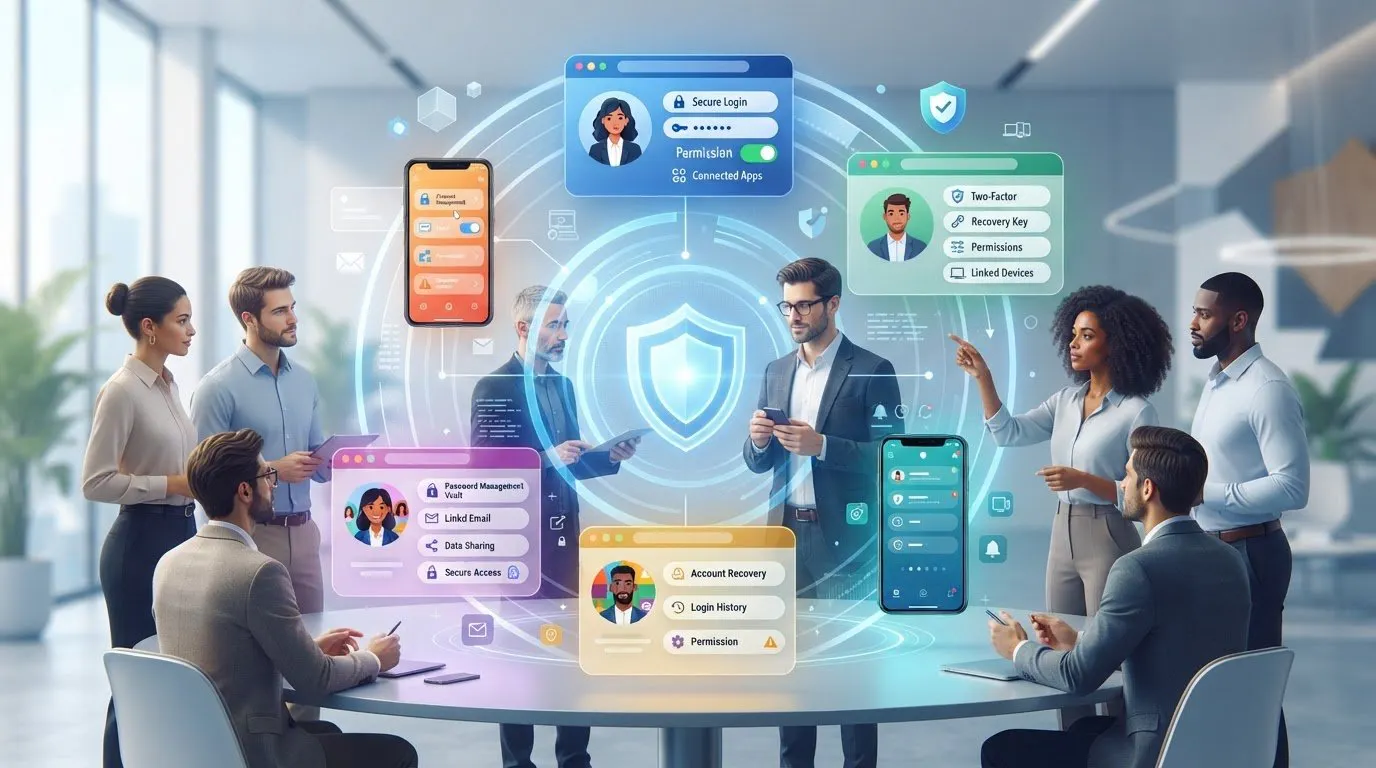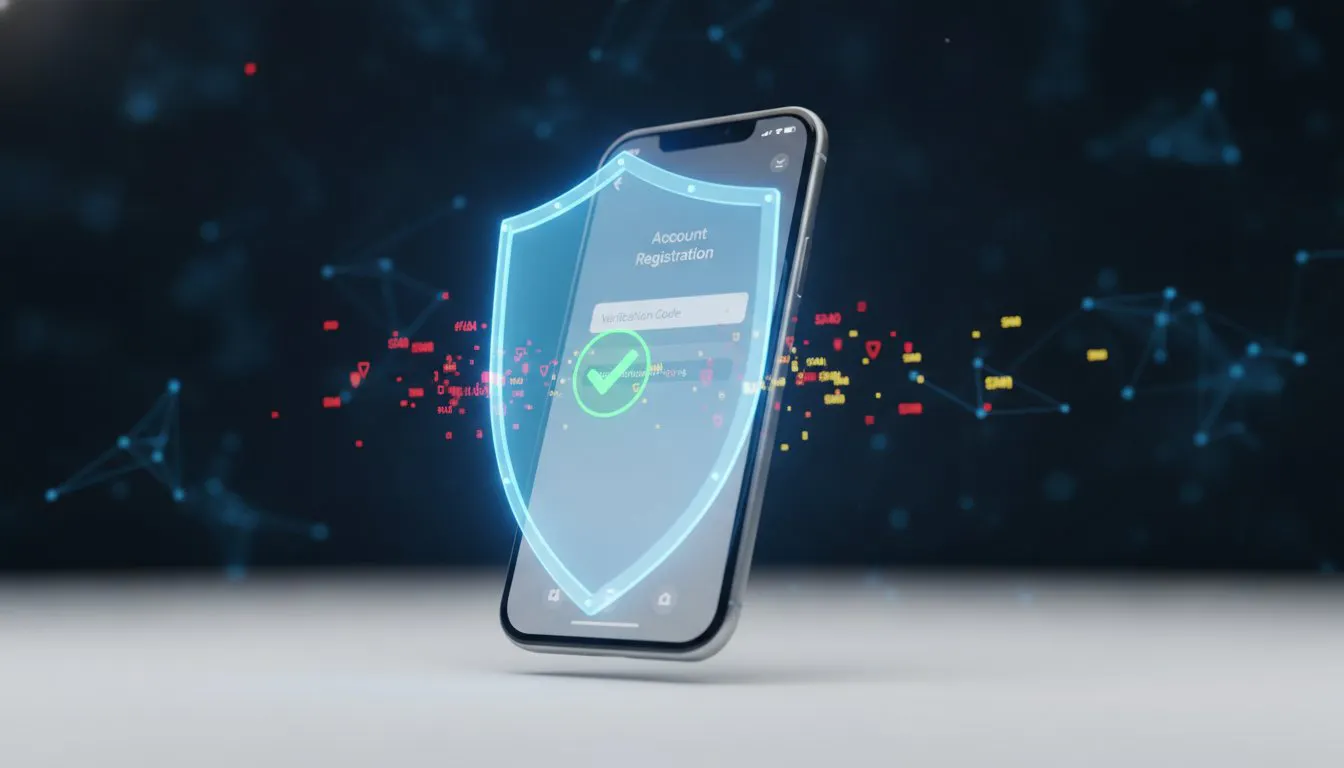
In 2026, using your personal phone number for a digital signup isn't just a privacy risk; it's a security liability that invites permanent data exposure. Most platforms now use AI-driven filters to flag and block standard VoIP services, leaving users frustrated by rejected registrations or sudden account locks. You've likely experienced the frustration of a primary number leaked in a data breach or the annoyance of endless spam calls. These risks are avoidable. Securing a reliable private number for verification has become a necessity for anyone prioritizing operational efficiency and data integrity.
We understand that digital anonymity shouldn't come at the cost of functionality. This guide shows you how to secure your digital identity and bypass restrictive phone verifications using high-trust private virtual numbers. You'll learn how to navigate the shift toward dedicated mobile infrastructure to ensure successful account creation. We'll also cover the technical requirements for maintaining long-term access to your virtual assets while protecting your personal footprint from future leaks.
Key Takeaways
- Identify why your personal phone number has become a permanent security liability and how to decouple your digital identity from public databases.
- Master the trust gap by selecting a dedicated private number for verification instead of recycled public numbers that often trigger immediate platform bans.
- Determine whether your specific workflow requires instant SMS activation for one-time use or a long-term Rent Service to maintain ongoing access to 2FA-protected accounts.
- Learn the coordination process involving mobile proxies and regional matching to successfully verify accounts on high-security platforms that use AI-driven filters.
- Explore how to automate and scale your verification operations by integrating the Anosim API (v1) or the industry-standard SMS-Activate protocol into your custom scripts.
Table of Contents
- Why Your Personal Phone Number is a Security Liability
- Private vs. Public Virtual Numbers: The Trust Gap
- Choosing the Right Verification Strategy for Your Needs
- How to Securely Verify Accounts on High-Security Platforms
- Scaling Verification with Anosim’s Developer API
Why Your Personal Phone Number is a Security Liability
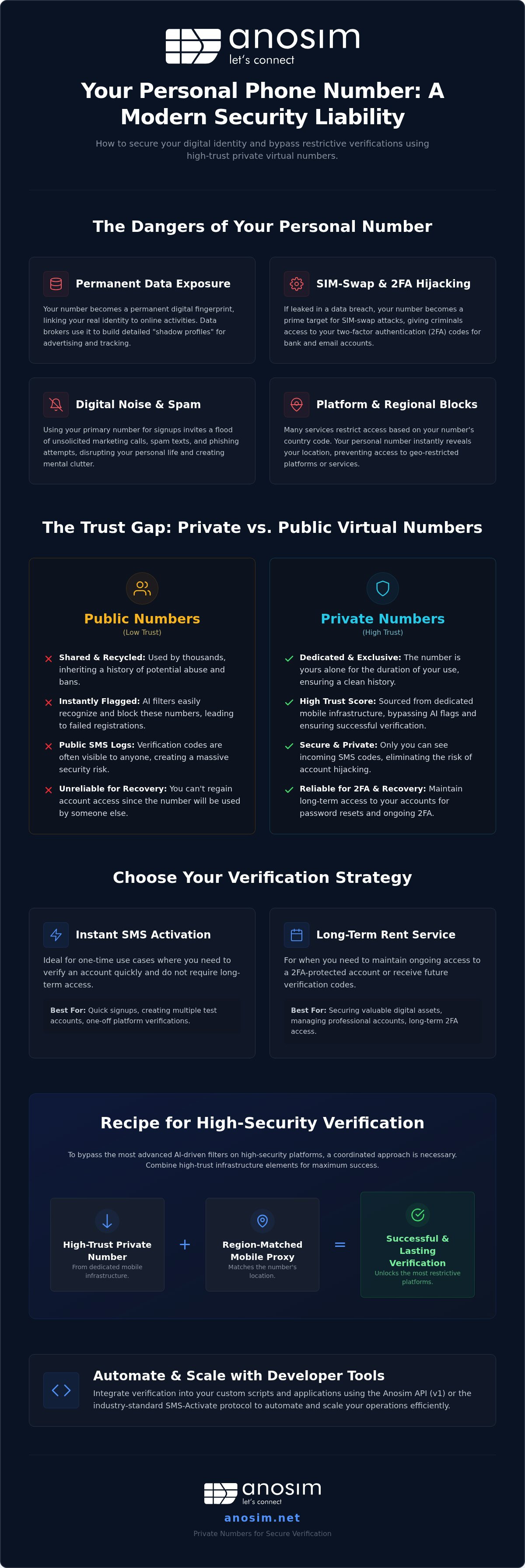
Your primary phone number is no longer just a way to receive calls. It's a high-precision tracking identifier that links your physical identity to your digital behavior across every platform you join. When you provide your personal number for a "free" signup, you're effectively handing over a permanent digital fingerprint. Aggregators and advertisers use this unique string of digits to bridge the gap between your social media activity, shopping habits, and financial history. This connectivity makes your primary line a valuable asset for bad actors and a liability for your personal privacy.
By 2026, the risks associated with data exposure have intensified. Modern telephone number verification methods have evolved into complex data harvesting operations. If your number appears in a single platform's data breach, it becomes a target for sophisticated SIM-swap attacks. Attackers use leaked information to trick telecom providers into porting your number to their hardware, granting them instant access to your two-factor authentication (2FA) codes. Using a private number for verification creates a necessary buffer between your sensitive accounts and the public internet, ensuring that a leak on one site doesn't compromise your entire digital life.
Beyond the technical risks, there's a significant psychological benefit to maintaining a secondary digital identity. Separating your personal communications from your online registrations reduces the mental load of managing digital noise. You don't have to worry about marketing spam or unsolicited calls interrupting your day. This separation provides the peace of mind that comes from knowing your "real" life remains disconnected from the services you use for work or research.
The Anatomy of a Data Leak
Every time you sign up for an app, your data likely enters a global broker ecosystem. These brokers buy and sell user information to create detailed "shadow profiles." Shadow profiles are invisible data sets constructed by aggregators who match your phone number across disparate apps to build a comprehensive map of your habits and preferences. When a breach occurs, this consolidated data makes identity theft much easier. A single verification code intercepted by a malicious party can be the final piece of the puzzle they need to hijack your primary email or bank account.
Bypassing Platform Restrictions
Many global platforms restrict account creation based on regional phone codes or specific carrier types. If you're trying to access a service that isn't available in your country, your personal number is a dead giveaway. You might also encounter "device already registered" errors if you've previously used your number or if the platform's AI flags your hardware. Using a private number for verification allows you to overcome these hurdles without purchasing new physical devices. It's a pragmatic solution for professionals who need to manage multiple personas or test services across different geographical regions. You can maintain high-trust accounts on restrictive platforms while keeping your primary line completely hidden from their databases.
Private vs. Public Virtual Numbers: The Trust Gap
Understanding the distinction between public and private infrastructure is critical for maintaining digital security. Public virtual numbers are communal assets. Thousands of users often attempt to verify the same popular services using a single "free" number. Platforms recognize these patterns instantly. If you use a public number, you're inheriting the reputation of every previous user. This communal history often results in immediate account flagging or shadow-banning before you even complete the signup process.
The security implications of public numbers are severe and often overlooked. Unlike a private number for verification, public SMS logs are frequently visible to anyone browsing the provider's website. This exposure facilitates common phone scams and targeted phishing. If you lose access to an account, you can't rely on a public number for recovery. Since the number is recycled, the next person who uses it could potentially trigger a password reset on your accounts. Private numbers eliminate this risk by providing a dedicated inbound line that belongs solely to you for the duration of your lease.
Technical trust scores play a massive role in whether a registration succeeds. Modern platforms use databases to identify the carrier and line type of every number entered. They distinguish between low-trust VoIP (Voice over IP) numbers and high-trust mobile network infrastructure. If a platform detects a standard VoIP prefix, it might block the registration or demand additional identity proof. Securing a dedicated line through a Rent Mobile VoIP service ensures your number appears as a legitimate mobile device, significantly increasing your success rate.
Why Public Numbers Fail Verification
- Prefix Blacklisting: Major apps maintain lists of prefixes used by free SMS websites and automatically reject them.
- Usage Conflicts: You'll often encounter the "Service Already Taken" loop, where the platform prevents you from registering because the public number is already linked to another account.
- Log Exposure: Public numbers lack encryption; your one-time passwords (OTPs) are broadcast on public dashboards for anyone to see.
The Non-VoIP Advantage
Non-VoIP numbers are the gold standard for account verification because they mimic the behavior of a physical SIM card. They are backed by real mobile network operators rather than data centers. This infrastructure tells the platform's security AI that the user is a real person with a valid cellular contract. It's a pragmatic way to bypass the restrictive filters used by high-security platforms like banking apps or major social networks. By using a private number for verification that utilizes mobile-based infrastructure, you bypass the common triggers that lead to account restrictions.
Choosing the Right Verification Strategy for Your Needs
Selecting a verification strategy depends entirely on the intended lifecycle of your account. If you need a temporary profile for a marketplace or a one-time discount, your requirements differ significantly from those of a primary communication channel. High-security platforms often align their protocols with the NIST Digital Identity Guidelines, which emphasize robust out-of-band authentication methods. For these services, a private number for verification provides the necessary isolation from your personal data while ensuring the platform's security filters are satisfied.
Regional selection is a critical component of a successful strategy. Platforms frequently cross-reference the country code of your phone number with your connection's metadata. If there's a mismatch between your number's region and your IP address, the system may flag the attempt as fraudulent. Matching your virtual number to your service's specific requirements is the most efficient way to maintain a high trust score and avoid immediate account restrictions.
Developers and enterprise users often require a different approach. When managing high-volume automated workflows, manual entry isn't feasible. Utilizing a dedicated API for bulk activation allows for seamless integration into custom scripts. This automation ensures that every new account is backed by a unique, high-trust number without slowing down operational speed or compromising the anonymity of the underlying infrastructure.
When to Use Instant Activation
Instant activation is the most pragmatic choice for non-critical applications. This service is ideal for marketplace signups, accessing one-off promotional discounts, or testing apps you don't plan to use long-term. You only pay for a successful private number for verification session, making it a highly cost-efficient solution for one-off tasks. If you need a quick code without a recurring commitment, SMS Activation for OTP provides the necessary infrastructure immediately.
The Case for Long-Term Rentals
Communication platforms like Telegram and WhatsApp present a different challenge. These services often require consistent access to the same number for security checks, device migrations, or password resets. If you lose access to a temporary number, you risk being permanently locked out of your account during a 2FA prompt. To avoid this "lost number" trap, you should Rent a Private Number for an extended period. This strategy ensures you remain the sole owner of the line, providing the stability needed for your most important digital assets.
How to Securely Verify Accounts on High-Security Platforms
Verification on high-security platforms requires more than just a valid digit string. It demands a coordinated technical environment that mimics a legitimate user. Modern security filters don't just look at the phone number; they analyze the connection metadata, regional consistency, and device reputation. Successfully using a private number for verification involves a methodical four-step process to ensure the account remains active and secure.
Step 1: Select a high-trust private number that matches the platform's target region. If you're registering for a US-based service, your number must have a US country code. Discrepancies between the number's origin and the platform's expected regional data often trigger immediate manual reviews or account freezes.
Step 2: Coordinate your IP address using a mobile proxy. This is the most overlooked step in the verification process. High-security platforms check for "impossible travel" or data center IP ranges. By using Mobile Proxies, you provide a high-trust IP reputation that matches your virtual number's location, making your signup look like it's coming from a standard mobile device.
Step 3: Enter the private number into the platform's registration field and monitor your inbound SMS dashboard. Reliable providers offer real-time delivery of OTP codes. Avoid refreshing the page excessively, as this can trigger anti-bot mechanisms. Simply wait for the code to appear in your secure interface.
Step 4: Secure the account with internal 2FA settings immediately after the initial verification. Once you've gained access, navigate to the account security settings and enable an authenticator app or security key. This ensures that you maintain access to the account even if you only leased the number for a short duration.
Bypassing Tinder and Social Media Filters
Social platforms like Tinder are exceptionally aggressive toward virtual numbers because they use them as a primary tool to fight spam. They frequently flag standard VoIP lines. Combining a private number for verification with a mobile proxy from our partner proxied.com is the only way to simulate a real user effectively. For a deeper look at these specific technical requirements, read our guide on how to Bypass Tinder Phone Verification Without Data Leaks.
Managing Telegram and Messaging Apps
Telegram and other messaging apps are session-based, meaning they may require the phone number for re-authentication if you log out or switch devices. Using a one-time SMS activation for these services is risky because you can't receive a second code later. For professional communication, it's safer to use a dedicated Rent Service to ensure you never lose control of your messaging session. You can find more details in our article on how to Secure Your Telegram with a Virtual Phone Number.
Start your next registration with a high-trust infrastructure by choosing a private number for verification today.
Scaling Verification with Anosim’s Developer API
Developers managing large-scale operations require more than just a single private number for verification. They need a robust infrastructure that integrates directly into their software stack. Manual verification becomes a bottleneck when scaling across dozens of platforms or hundreds of accounts. Anosim addresses this by offering the Anosim API (v1), designed specifically for seamless inbound SMS automation. This allows users to programmatically request numbers and retrieve verification codes without touching a browser.
One of the most efficient features for existing automation workflows is our industry-standard compatibility. Anosim supports the SMS-Activate Standard API, which means developers don't have to rewrite their entire codebase to switch providers. You can simply swap the API endpoint and continue your operations with higher-trust mobile number infrastructure. This technical flexibility ensures that your transition to a more reliable service is both fast and cost-effective.
The reliability of these automated flows depends on the underlying hardware. Anosim's infrastructure utilizes real mobile network routes rather than standard data center VoIP. This distinction is critical for maintaining high success rates in automated signups. When your script requests a private number for verification, the platform sees a legitimate mobile device, reducing the likelihood of your automated accounts being flagged for suspicious activity.
API Integration for High-Volume Users
The Anosim customer API v1 provides full control over the lifecycle of your virtual numbers. You can automate the selection of regional codes, monitor active sessions, and handle multi-step verification processes through simple HTTP requests. Switching to our infrastructure is straightforward because you can integrate using the alternative API version if your current system follows specific industry protocols. For detailed implementation steps, review the Anosim API Documentation.
Why Developers Choose Anosim
Technical users prioritize uptime and global number availability over marketing promises. Anosim functions as a silent partner, providing the stable infrastructure necessary for professional-grade digital tasks. Our support is pragmatic and focused on solving specific integration hurdles rather than providing generic advice. We maintain a diverse pool of regional numbers to ensure your scripts always have access to fresh, high-trust mobile lines.
Start Scaling Your Verifications with Anosim to secure your automated workflows with professional-grade virtual infrastructure.
Secure Your Digital Footprint for 2026
Decoupling your personal identity from the digital services you use is no longer optional; it's a fundamental security practice. By moving away from communal public numbers and adopting dedicated mobile infrastructure, you eliminate the risks of data leaks and account recovery vulnerabilities. Whether you're managing a single professional persona or scaling automated workflows, the strategy remains the same: prioritize high-trust lines that mimic real user behavior. Using a private number for verification ensures that your registrations bypass modern AI filters while keeping your primary line completely hidden from global data brokers.
Anosim provides the technical infrastructure needed for this transition. With dedicated non-VoIP infrastructure, global coverage for over 100 platforms, and a robust API v1 for seamless developer integration, we function as your silent partner in digital efficiency. Secure your private number for verification today with Anosim and take full control of your digital identity. You're now equipped with the technical knowledge to navigate the complex verification landscape of 2026 with confidence.
Frequently Asked Questions
How can I get a private number for SMS verification?
You can obtain a private number for verification by selecting a service from a provider like Anosim. Simply choose between a one-time SMS Activation for quick signups or a dedicated Rent Service for long-term account access. After you select the target platform and region, the system assigns a unique number to your dashboard. This process is fully digital and doesn't require any physical hardware or existing cellular contracts to function.
Are private virtual numbers better than free public ones?
Yes, private numbers are significantly more reliable than public alternatives. Public numbers are communal and often appear on blacklists because thousands of users attempt to verify the same apps. This leads to immediate account flags or rejection. A private number is dedicated to you, meaning it has a clean reputation and hasn't been linked to other accounts on that specific platform. This infrastructure ensures much higher success rates.
Can I use a private number for Telegram and WhatsApp verification?
You can use a private number for messaging apps, but you should choose a long-term rental rather than a one-time activation. Telegram and WhatsApp often require re-verification during device migrations or security checks. If you use a temporary number, you might lose access to your account permanently if you're logged out. Securing a dedicated Rent Number ensures you can receive future codes and maintain continuous control over your sessions.
What happens if I don't receive the verification code?
If a code doesn't arrive within the expected timeframe, most platforms allow you to request a resend. Ensure your regional settings and IP address match the number's origin. If the code still doesn't appear in your dashboard, you aren't charged for the attempt in a pay-per-success model. You can simply cancel the request and try a different number or carrier to bypass any temporary network congestion or delivery issues.
Do I need a physical SIM card to use a private virtual number?
You don't need a physical SIM card or a secondary phone to use these services. Private virtual numbers operate entirely through digital infrastructure. You access the inbound SMS through a web-based dashboard or an API. This setup allows you to manage multiple international numbers from a single device anywhere in the world. It's a pragmatic solution for users who need global verification capabilities without the logistical burden of hardware delivery.
Is it legal to use a private number for app signups?
It's legal to use a private number for verification to protect your personal data and manage your digital footprint. Most users adopt these tools to avoid marketing spam or prevent their primary number from being leaked in data breaches. While you must still follow the terms of service of the individual apps you join, using a virtual number is a standard privacy-preserving technique for professional and personal use cases alike.
Can I rent a private number for more than 30 days?
You can rent a private number for extended periods depending on your specific operational needs. While standard activations are for one-time use, the Rent Service allows for durations that fit long-term projects. If you need a number for more than 30 days, you can typically renew the lease within your dashboard to maintain continuous access. This is ideal for accounts protected by 2FA that require a stable, permanent phone link.
How do I integrate Anosim with my existing automation software?
Integration is straightforward using the Anosim API (v1) or the SMS-Activate Standard API. If your software already supports standard industry protocols, you can simply update your API endpoint and key to start using our high-trust mobile number infrastructure. Our documentation provides the necessary integration protocols for automating inbound SMS flows. This allows your scripts to request numbers and fetch OTPs programmatically, ensuring your automated workflows remain efficient and scalable.