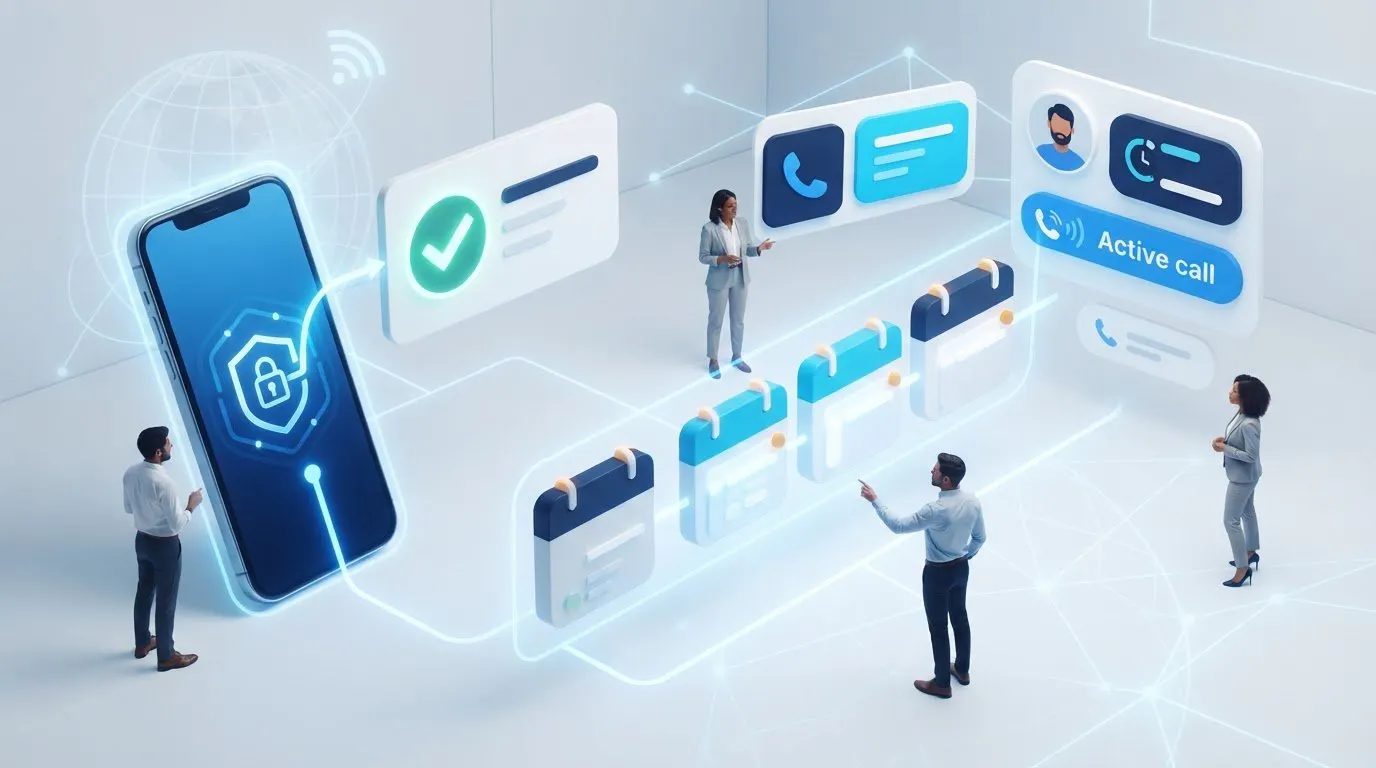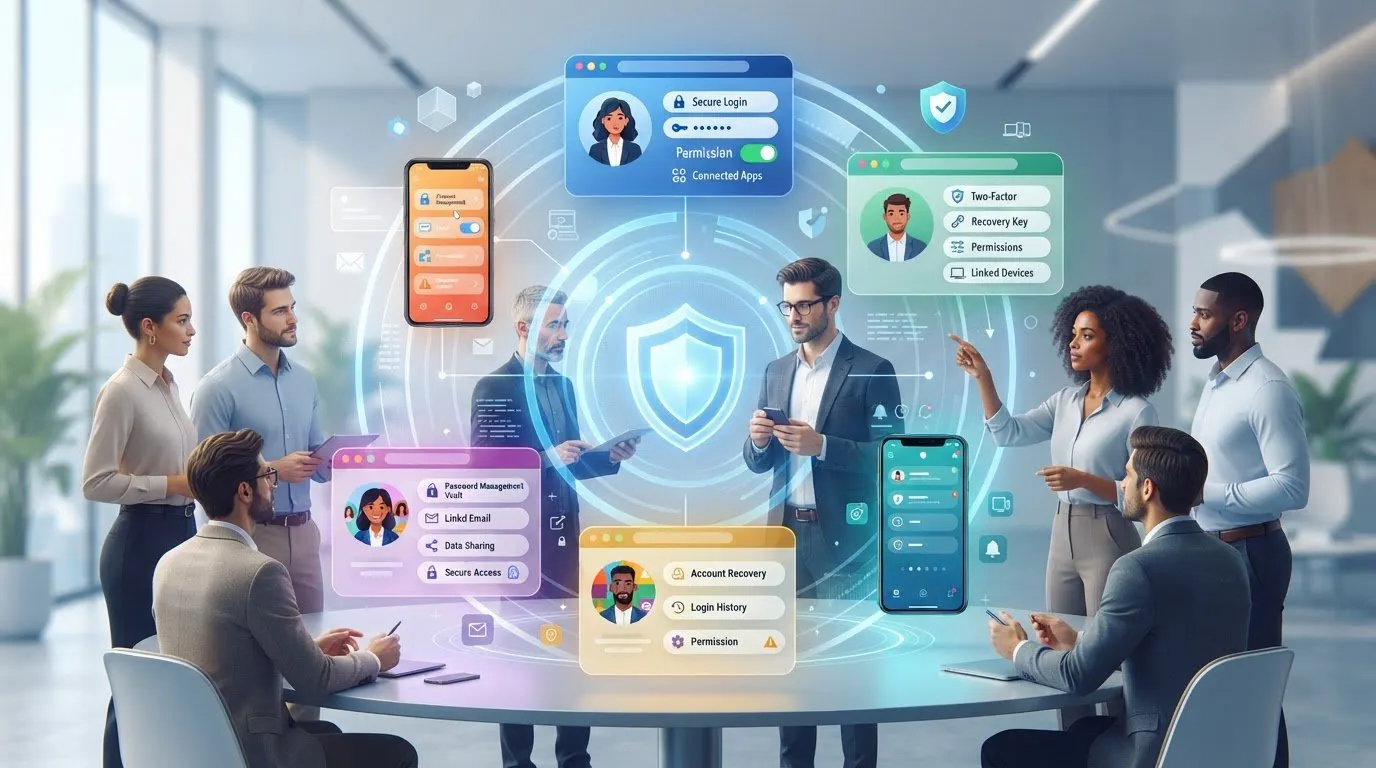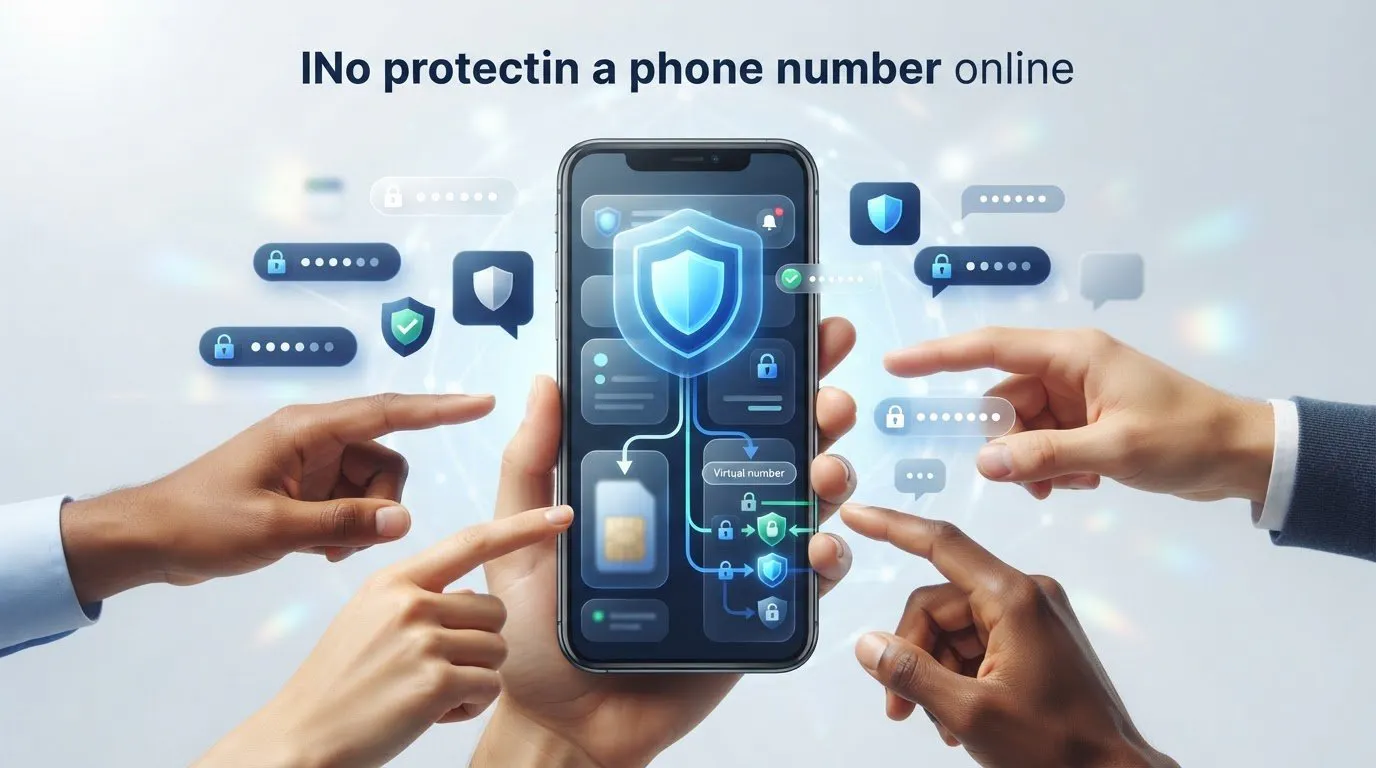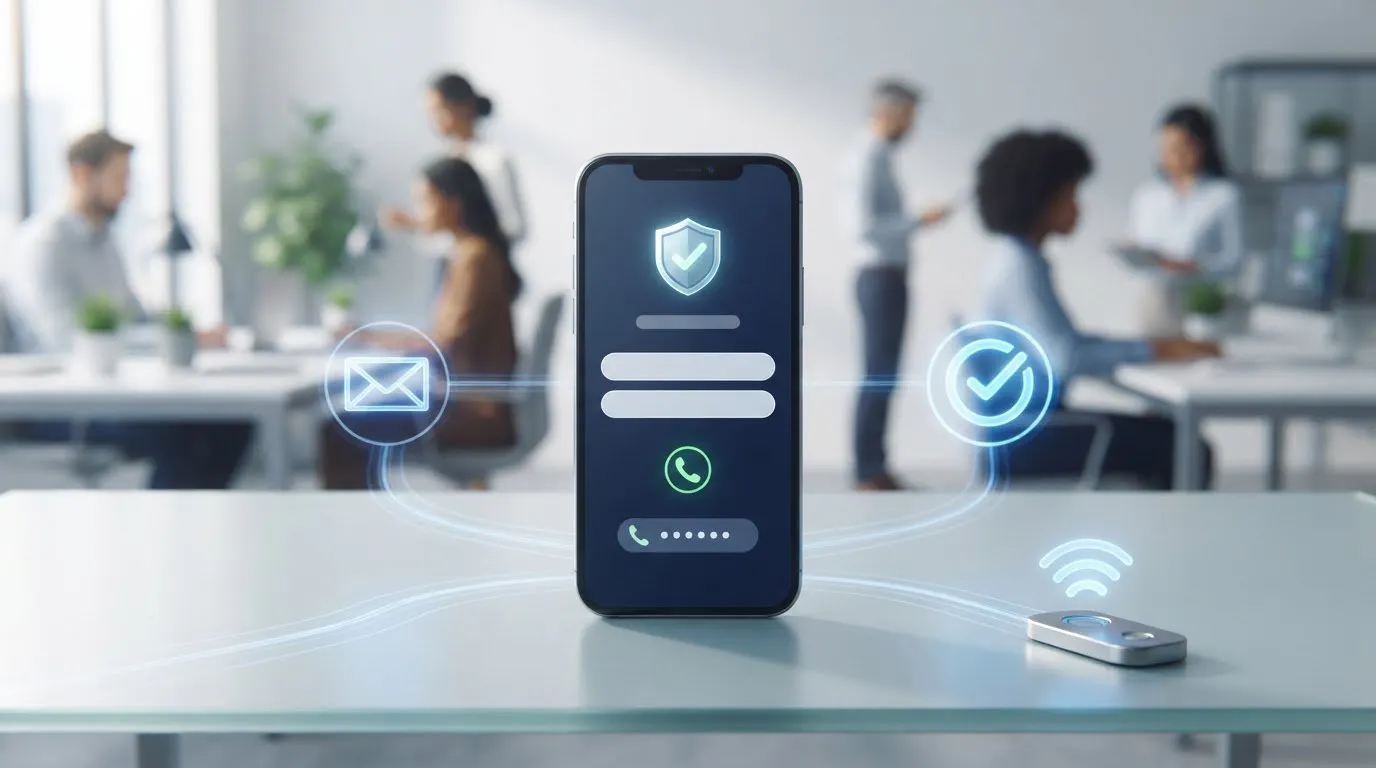
Can a virtual number receive an ad account verification code reliably and still fit platform rules? It may be part of a compliant setup, but acceptance depends on the platform’s requirements and the options shown for your account. A number that works for an initial code may not be available for a later security check or account recovery. Treat virtual numbers for ad account verification as part of your account infrastructure, not as a shortcut around identity checks or advertising policies.
If you’re choosing between a one-time code and a longer-term number, start by considering what happens after signup. Will the account need another code for a security check or recovery? Who will manage access if account responsibilities change? This guide explains the differences between inbound SMS activation and extended number rentals, how to evaluate each for your workflow, and how API access can support repeatable processes. The aim is a practical, privacy-conscious setup that follows platform rules and fits your account’s needs.
Key Takeaways
- Check the ad platform’s current verification requirements before choosing a number. Virtual numbers aren’t accepted universally, and acceptance isn’t guaranteed.
- Use accurate business and identity information wherever the platform requires it. A phone number doesn’t replace identity verification.
- Match virtual numbers for ad account verification to the task: one-time SMS activation suits a discrete code request, while a rental provides extended access.
- Plan for future security checks and account recovery before signup so losing access to the number doesn’t become an avoidable risk.
- Build a repeatable workflow around Anosim’s inbound SMS activation or number rentals. API access is available for programmatic processes.
Table of Contents
- Virtual Numbers for Ad Verification: Pros and Cons
- How to Use a Virtual Number for Ad Account Verification Responsibly
- One-Time SMS Activation or a Rented Virtual Number?
- How to Check Platform Rules, Number Fit, and Account-Recovery Risks
- Choose an Anosim Number Workflow for Ad Account Operations
Virtual Numbers for Ad Verification: Pros and Cons
Can a virtual number receive an ad account OTP? It may, if the platform offers SMS verification for your setup and accepts the number type. There’s no universal rule: available methods and number requirements vary by platform and can change. A virtual number is accessed digitally to receive messages, rather than necessarily through a personal handset or SIM. The Virtual Number (Wikipedia) overview provides background on how these numbers work and their general applications.
For a business, a virtual number can separate an employee’s personal contact details from account administration. It can also give a team a dedicated contact point for a managed workflow. The trade-off is that access depends on continued access to the number service. If a future security check sends a code to a number you can no longer access, account recovery may become more difficult.
- Potential benefits: Separate business verification from personal contact details and organize inbound verification messages around account operations.
- Potential drawbacks: The platform may reject the number or not offer SMS as a verification method. Temporary access can also create recovery problems later.
Use virtual numbers for ad account verification to support a legitimate business or individual account, not to disguise who operates it. A number doesn’t make an account anonymous to the platform, authorize duplicate or deceptive accounts, or exempt an advertiser from platform rules. Provide accurate business or identity details whenever they’re requested.
How SMS verification fits into ad account setup
In an eligible setup flow, the platform sends a one-time password (OTP) to the number entered by the account holder. The user receives the message and submits the code in the platform’s verification interface. The platform determines whether SMS is available, which number types it accepts, and whether another method is required. These options can change, so a past successful verification doesn’t establish that the same number or method will work again.
An OTP confirms access to a contact channel for that step. It isn’t the same as ad approval, advertiser verification, or an identity check. A platform may separately assess an ad, verify an advertiser, or request personal or business documents. Receiving an SMS code doesn’t complete those other processes.
Privacy, ownership, and future account access
Businesses may avoid tying an advertising account to an employee’s personal number because account administration can outlast a person’s role. A dedicated number can separate operational contact details, but only if the business can maintain access and assign responsibility for it.
Plan recovery alongside signup. Decide who controls the number, where account recovery details are recorded, and how access will be retained if staff or account responsibilities change. Inbound SMS activation can serve a discrete code task; a rental may better fit an account that needs continued number access. Neither option guarantees platform acceptance or recovery. Anosim provides inbound SMS activation and virtual number rentals for receiving verification codes.
How to Use a Virtual Number for Ad Account Verification Responsibly
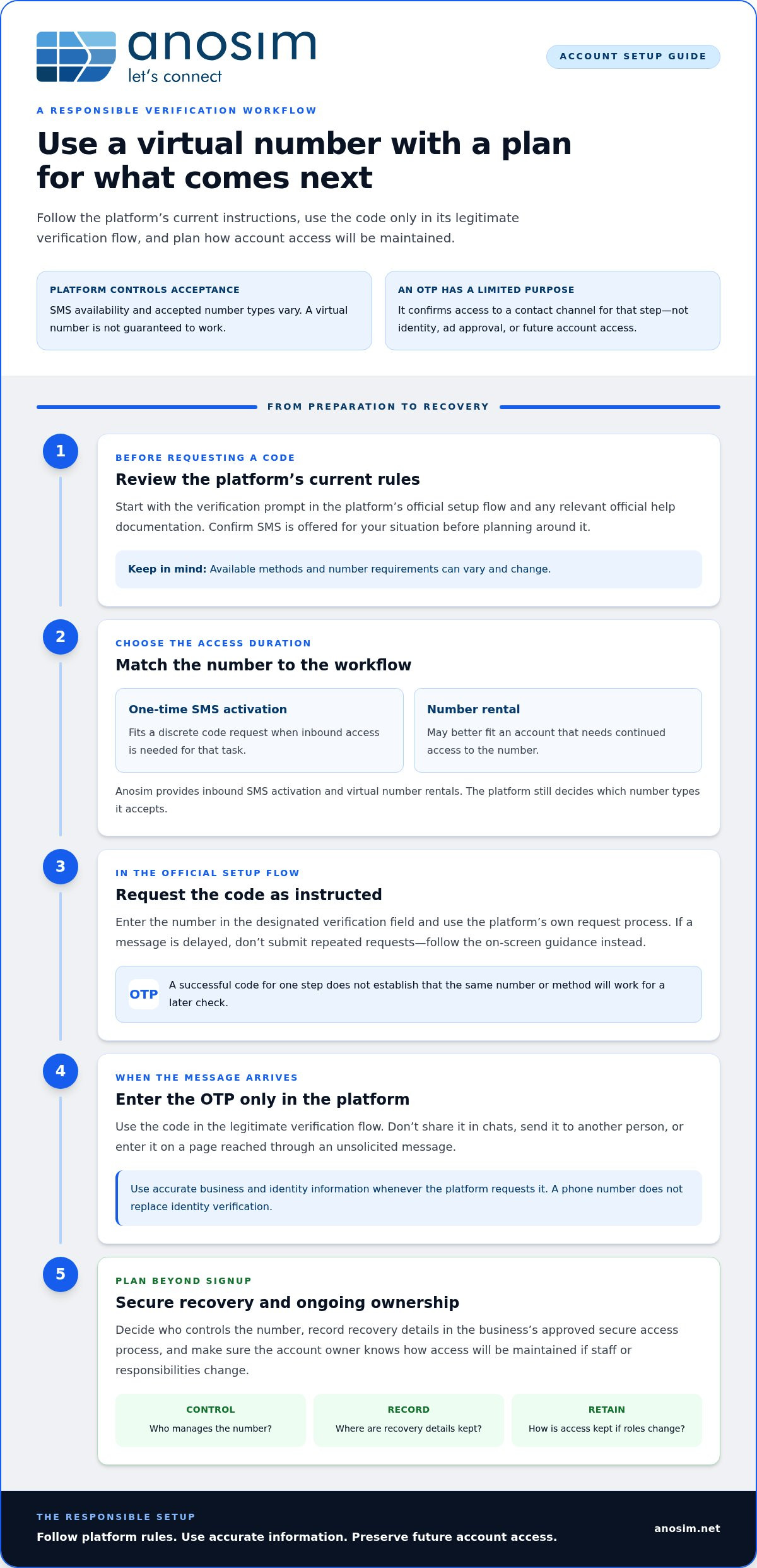
A reliable verification workflow starts before you request a code. Treat the number as one part of account administration, not as a substitute for platform requirements. An OTP confirms that a message reached the number at that moment. It doesn’t establish ongoing eligibility, prove an advertiser’s identity, or guarantee future access.
Before requesting an ad account verification code
Start with the verification prompt shown inside the platform’s official setup flow. Its current instructions determine whether SMS is available and what information you need to provide. Decide which business or individual owns the account, then assign responsibility for maintaining access to the number. Avoid repeated code requests or account actions that conflict with the platform’s instructions.
- Review current platform rules. Read the requirements presented in the account setup flow and any relevant official help documentation. Confirm that SMS verification is offered for your situation before planning around it.
- Choose a number for the workflow. Decide whether you need inbound access for one discrete code or a number you can access over a longer period. Anosim’s SMS activation service supports inbound code workflows. The platform still decides which number types it accepts.
- Request the code as instructed. Enter the number in the designated verification field and use the platform’s own request process. If a message is delayed, don’t submit repeated requests. Follow the on-screen guidance instead.
- Enter the OTP in the platform. Use the code only in the legitimate verification flow. Don’t share it in chats, send it to another person, or enter it on a page reached through an unsolicited message.
- Secure recovery access. Record the number and related recovery details in the business’s approved secure access process. Make sure the person responsible for the account knows how access will be maintained if roles change.
Use accurate business and identity information whenever the platform requests it. A virtual number doesn’t justify concealing who owns or operates an account, and it doesn’t make the account anonymous to the platform. The ITU-T Recommendation E.164 describes the international public telecommunication numbering plan. Numbering standards provide context for how numbers are represented; they don’t determine whether an ad platform will accept a particular number.
After the verification code arrives
Once you enter the OTP, check whether the platform displays any further steps. Successful SMS verification completes only that code check. It doesn’t necessarily complete advertiser verification, identity review, payment setup, or ad approval. Keep the account’s recovery information current, and don’t assume a one-time code means you’ll retain access to the number for later checks.
Anosim’s SMS activation option supports workflows focused on receiving an inbound verification code. Keep platform requirements and account recovery planning in view, since neither a number nor an OTP overrides the platform’s rules.
One-Time SMS Activation or a Rented Virtual Number?
The choice depends on whether your workflow ends after one inbound code or needs continued access to the same number. One-time SMS activation is designed for a discrete verification task. A rental is worth considering when ongoing account administration or recovery may require access again. Neither option ensures that an ad platform will accept the number or offer SMS verification.
- Access duration: one-time SMS activation is for a discrete inbound code task, so don’t assume access continues afterward; a rented virtual number provides extended access through the rental period.
- Intended workflow: one-time SMS activation fits a single verification step where ongoing access isn’t part of the need; a rented virtual number fits account operations where future messages or recovery access may matter.
- Continuity: with one-time SMS activation, continuity is limited, and it may not suit a workflow that depends on receiving another code later; a rented virtual number supports continuity while the rental remains active, subject to its terms.
- Operational control: one-time SMS activation is focused on receiving a code for the immediate task; a rented virtual number requires the business to manage number access and renewal or retention decisions.
When a one-time activation may fit
Choose activation when the legitimate task is limited to receiving an inbound code and you don’t expect to use the number for ongoing account administration. For example, a team completing a one-off setup step may not need the same number for later recovery. Before proceeding, consider whether losing access after that task would conflict with the account’s recovery needs.
Code availability can vary by service and by the platform’s verification flow. A platform may not offer SMS or may not accept a particular number type. Treat activation as an option for receiving a code, not as evidence that verification will succeed or that the number will remain available for later use.
When a longer-term rental may fit
If account administration may involve future security checks, shared business responsibilities, or recovery needs, continued access can matter more than completing a single setup step. A rental may better fit that workflow, but it doesn’t guarantee that a number will be accepted or that a platform will send future codes by SMS. Build number access into the account’s recovery and handover procedures.
Compare the continuity your account needs with the rental period and your team’s ability to manage access. Anosim’s virtual number rental options provide extended access for receiving verification codes. For example, if account recovery may require a new code after a staff handover, plan who will retain access to the rented number and how that responsibility will transfer.
In practice, virtual numbers for ad account verification should match the account’s expected lifecycle. If the need is one inbound code, activation may be sufficient for that task. If access may be needed again, weigh rental continuity against the responsibility to maintain it. In either case, follow the platform’s current instructions and use accurate account information.
How to Check Platform Rules, Number Fit, and Account-Recovery Risks
Virtual numbers aren’t accepted universally, and acceptance is never guaranteed. Whether a number fits depends on the platform’s current requirements and the verification options it presents for your account. Treat privacy and continuity as planning considerations, not reasons to work around those requirements. Before using a number, review the platform’s official information and consider how you’ll regain access if the number becomes unavailable.
Platform requirements and verification alternatives
Start with the verification prompt inside the account’s official setup flow. Then consult the platform’s current business-help documentation for relevant requirements. Available methods may differ by account or region, and instructions can change. Don’t assume that a method available to another advertiser will appear for your account, or that a number accepted previously will work in a later verification flow.
Use only the methods the platform offers for your situation. If SMS isn’t available, follow the alternatives presented in the official flow rather than repeatedly requesting codes or switching numbers to get around a restriction. This keeps the process aligned with the platform’s stated requirements and avoids relying on assumptions about a particular provider or account type.
Reduce lockout risk before you verify
Check that the number, account ownership, and recovery plan work together. A number may help separate business contact details from an employee’s personal number, but that separation only helps if authorized staff can maintain access and the business can recover the account through the methods available.
- Ownership: Identify the individual or business that owns the advertising account, and keep the platform’s requested account information accurate.
- Number access: Record who is responsible for maintaining access. Consider what happens if that person changes roles or leaves.
- Recovery methods: Organize the recovery options available in the account, and store related details securely within the business’s access process.
- Authorized administration: Limit account and recovery access to staff responsible for managing the account. Update access arrangements when administrators change.
Keep the recovery plan practical. For example, if a team member controls a rented number, document how an authorized successor will retain access. Don’t rely on an OTP as a lasting recovery method: it confirms access to the number at that moment, not that the number will remain accessible or that the account will meet future requirements.
A virtual number is one part of account security, not a replacement for access controls or accurate identity information. It must not be used to evade restrictions, misrepresent who operates an account, or create deceptive or duplicate accounts. Use virtual numbers for ad account verification only within the platform’s stated process and for a legitimate account.
For inbound SMS activation or longer-term number access, choose the Anosim workflow that fits your account’s needs, while keeping platform rules and recovery planning in view.
Explore Anosim number options for inbound verification workflows.
Choose an Anosim Number Workflow for Ad Account Operations
The right Anosim workflow depends on the task and how long the account may need access to its number. Anosim provides inbound SMS activation and virtual number rentals for receiving verification codes. It is a number service, not an advertising platform or an account provider. A number can support a verification workflow, but it cannot determine whether a platform offers SMS or accepts that number.
Match the service model to the campaign workflow
If an authorized account needs an inbound code for a discrete verification step, SMS activation may fit that task. It provides an inbound-code workflow without implying ongoing access to the same number. Consider whether the account’s recovery and administration plans depend on receiving codes again before selecting a short-term approach.
For ongoing operations, a rented number may fit when continuity and access management matter. For example, a business expecting to maintain an account through staff handovers may prefer a workflow built around extended number access. A rental still doesn’t guarantee that a platform will accept the number or send future codes. Review Anosim API documentation if your team is planning a programmatic inbound SMS process. API access can support operational workflows, but it doesn’t override platform rules.
Keep campaign scale separate from account eligibility. Managing campaigns for multiple clients doesn’t itself establish permission to create or operate additional accounts. Follow each platform’s current account and advertising requirements, and use numbers only for accounts your organization is authorized to administer.
- A discrete inbound code task: the Anosim option to evaluate is SMS activation; planning question: will the account need continued number access?
- Potential future verification or recovery: the Anosim option to evaluate is virtual number rental; planning question: who will maintain number access over time?
- Programmatic inbound SMS operations: the Anosim option to evaluate is the Anosim API; planning question: does the process follow platform instructions and internal controls?
Plan a controlled, policy-compliant rollout
Start with accounts your organization is authorized to manage. Assign clear internal ownership for each account and number, and document how staff will preserve recovery access when administrators change. Keep this information in the business’s secure access process rather than relying on one person’s memory or an unrecorded handover.
Test the operational workflow on an eligible account by following the platform’s own verification steps. Record what your team needs to request and receive an inbound code, and note where recovery responsibilities sit. Treat the result as specific to that workflow, not proof that every platform, account, or number will behave identically. Recheck official requirements before changing how accounts are managed.
Once you’ve matched the access model to your legitimate account needs, you can explore Anosim’s verification options and choose a relevant workflow while continuing to follow the platform’s rules.
Build a Verification Workflow Your Team Can Maintain
Make the number decision part of a broader account operations plan. Document who owns each account, how authorized staff maintain access, and how responsibilities transfer when administrators change. Set a reminder to review the platform’s current instructions before a future verification step. This connects privacy choices to account continuity as campaigns evolve.
For virtual numbers for ad account verification, choose an option based on the account’s actual workflow rather than adding unnecessary complexity. Anosim provides inbound SMS activation and extended number rentals, with support for Anosim API (v1) and SMS-Activate Standard API workflows. These tools support number operations; they don’t alter a platform’s requirements or guarantee acceptance.
Match your account’s access needs to the relevant option. Explore Anosim’s virtual number options to build a process your team can manage.
Frequently Asked Questions
Can I use a virtual number for ad account verification?
Possibly, if the platform’s current verification flow offers SMS and accepts that number type for your account. There’s no universal acceptance rule or guarantee. Before choosing a number, check the instructions shown during setup and consider whether the number will remain accessible for later checks. A virtual number can support a legitimate account workflow, but it doesn’t replace requested business or identity information.
Does Meta accept virtual numbers for business account verification?
Meta’s acceptance can depend on the current flow and your account context, so don’t assume a virtual number will work. Consult Meta’s official business-help guidance and the verification options displayed in your account. A phone OTP, if offered, is separate from other business or identity checks. Receiving a code shouldn’t be treated as proof that a business has completed every review Meta may require.
Can Google Ads send a verification code to a rented virtual number?
Google Ads may present different verification methods, and whether a rented number is accepted can vary by flow and account context. Check the current instructions in your account and Google’s official Ads help documentation before relying on SMS. If the account presents another method, follow that process. A rental provides extended access to a number during the rental period, but it doesn’t ensure Google will send a code or accept it.
Is a virtual number safe to use for an advertising account?
It can support privacy by keeping an employee’s personal number separate from business account contact details, provided the account is used legitimately and follows platform rules. Safety also depends on controlling access: limit number and account recovery details to authorized staff, and document responsibility for them. If staff changes, update access arrangements promptly. Don’t use a virtual number to conceal account ownership, mislead a platform, or bypass a restriction.
What happens if I lose access to the number used for ad verification?
You may face extra friction if a platform later sends a security code to a number you can’t access. Recovery options depend on the platform and the account’s available settings, so don’t assume the original verification can be repeated. Keep account ownership records and permitted recovery methods organized securely. If number access changes, update the account’s contact or recovery details through the official settings when the platform allows it.
Should I use SMS activation or rent a number for ad account verification?
Choose SMS activation for a discrete inbound-code task if you don’t need that number afterward. Consider a rental if your account workflow calls for continued number access, such as for future verification or recovery needs. Before deciding, consider whether the account can function if the number becomes unavailable. Both options depend on the platform’s current rules and verification flow, so neither guarantees acceptance or a successful code check.
Can I use one virtual number to verify multiple ad accounts?
Don’t assume one number can be used for multiple accounts. Permitted use depends on each platform’s current requirements and account context; review official guidance before assigning a number across accounts. Keep account ownership and administration transparent, particularly when managing campaigns for different businesses. A number must not be used to evade account limits, restrictions, or enforcement, or to make duplicate or deceptive accounts appear legitimate.