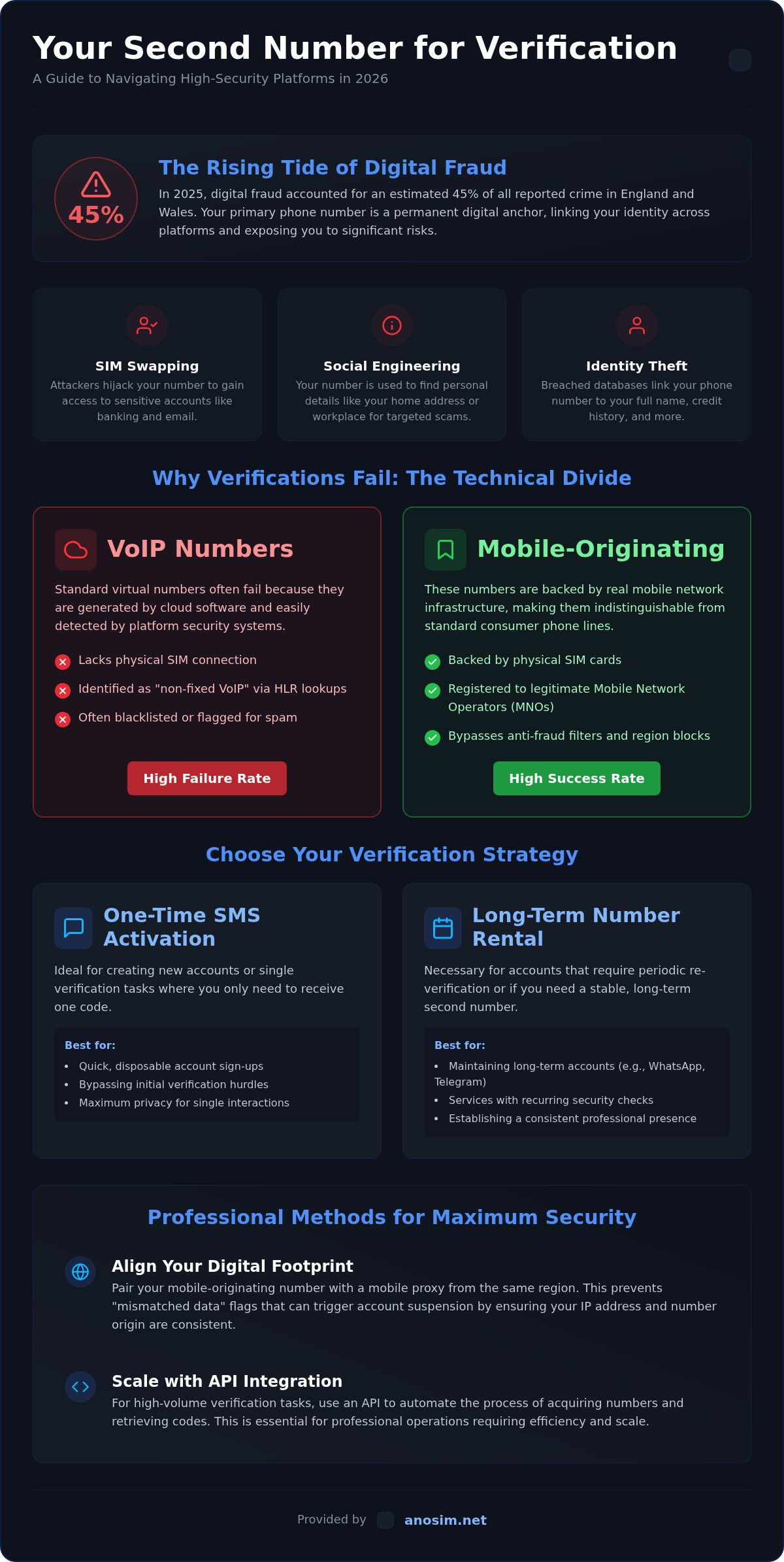
In 2025, digital fraud accounted for an estimated 45% of all reported crime in England and Wales. This surge led to the strict Ofcom anti-fraud regulations of July 2026, making it harder than ever to find a reliable second number for verification that isn't immediately flagged. You've likely experienced the fallout: verification codes that never arrive or accounts that get banned instantly because of low-quality virtual providers. It's frustrating when your primary phone number is tied to data leaks and your backup options are blocked by sophisticated platform filters.
This guide explains how to secure a reliable number that actually works in this high-security environment. You'll learn to move beyond easily detectable VoIP services and utilize mobile-originating infrastructure to protect your digital identity. We'll cover the technical shift toward physical SIM-based numbers and provide a repeatable process for successful account creation across any platform. By the end of this article, you'll have a clear framework for maintaining privacy without sacrificing operational efficiency.
Key Takeaways
- Understand why modern platforms treat phone numbers as permanent digital identifiers and how to decouple your personal identity from centralized databases.
- Learn the technical distinction between VoIP and mobile-originating infrastructure to ensure your second number for verification bypasses strict security filters.
- Determine whether a one-time SMS activation or a long-term number rental is the most efficient strategy for your specific account re-verification needs.
- Discover how to align your digital footprint by pairing virtual numbers with mobile proxies to avoid detection and "mismatched data" account flags.
- Explore professional methods for scaling verification tasks through automated API integration and inbound mobile VoIP services.
Table of Contents
- Why You Need a Second Number for Verification in 2026
- VoIP vs. Mobile-Originating Numbers: Why Verifications Fail
- SMS Activation vs. Long-Term Rental: Choosing Your Strategy
- Step-by-Step: Setting Up Your Second Number for Maximum Privacy
- Scaling Professional Operations with Anosim
Why You Need a Second Number for Verification in 2026
In 2026, your primary phone number is more than a communication tool; it is a permanent digital anchor. Apps use this data point to link your behavior across different platforms, creating a persistent profile that's nearly impossible to delete. Using a second number for verification allows you to break this chain. It prevents services from aggregating your personal data into a single, vulnerable entry in a centralized database. This is critical because your phone number is often the master key to your digital life.
Most modern services rely on multi-factor authentication to secure accounts. While this adds a layer of protection, it also forces you to hand over a sensitive piece of personal information. If that database is breached, your primary number becomes a target for several risks:
- SIM Swapping: Attackers can hijack your number to gain access to your bank accounts.
- Social Engineering: Your number can be used to find your home address or workplace.
- Identity Theft: Breached databases link your number to your full name and credit history.
A dedicated virtual number from a service like SMS Activation mitigates these risks by providing the necessary code without exposing your real identity to potential attackers. Avoid "free" public numbers found on generic websites. These numbers are almost always blacklisted by major platforms like WhatsApp or Google because they've been flagged for spam thousands of times. Also, these numbers are visible to everyone. If you use a public number, anyone else can potentially access your account recovery options, compromising your security rather than protecting it. Professional-grade infrastructure ensures the number you use is unique to your session and private.
Protecting Your Primary Number from Data Leaks
Every time you sign up for a new service, your data is likely shared with marketing brokers. This leads to an endless cycle of spam calls and targeted ads that follow you across devices. Digital compartmentalization is the practice of separating your digital activities into isolated silos. By using a virtual number for specific categories of apps, you ensure that a leak in one service doesn't compromise your entire digital footprint. A second number for verification acts as a secure firewall that isolates your private life from the intrusive data harvesting practices of modern digital services.
Bypassing Platform Restrictions and Geographic Blocks
Geographic restrictions remain a significant hurdle for global users. Many fintech and social media platforms require a local number to verify your residency or intent. If you're managing multiple social profiles or accessing region-locked content, a standard VoIP number often fails because platforms recognize the non-mobile origin. High-trust, mobile-originating numbers are necessary to satisfy strict platform filters. These numbers appear as legitimate consumer devices, allowing you to bypass regional blocks and manage professional operations without the risk of an immediate shadowban or account suspension. Using a Rent Number service provides the long-term stability needed for accounts that require recurring checks.
VoIP vs. Mobile-Originating Numbers: Why Verifications Fail
Most users assume any second number for verification is functionally identical to their primary line. This misconception leads to failed signups and wasted resources. The technical distinction lies in the origin of the number. VoIP (Voice over Internet Protocol) numbers are generated through cloud software and lack a physical connection to a cellular network. While efficient for basic business telephony, high-security platforms like WhatsApp, Telegram, and major banking apps use HLR (Home Location Register) lookups to identify the "Line Type." If the system detects a non-fixed VoIP range, it often blocks the verification code before it even reaches the gateway.
Mobile-originating numbers are different. These are backed by real mobile infrastructure and registered to legitimate Mobile Network Operators (MNOs). Platforms trust these numbers because they carry the same metadata as a standard consumer device. Anti-fraud algorithms are designed to detect and block disposable number ranges associated with bulk account creation. By using infrastructure that originates from a mobile carrier, you bypass these filters. It's a pragmatic shift from using "virtual" software to using professional-grade telecommunications tools that platforms cannot distinguish from a physical handset.
The "High-Trust" IP and Number Connection
Beyond securing virtual identities, maintaining the physical health of your devices is essential for a seamless workflow; if you encounter hardware issues, SIMSIM Repairs provides specialized technical support to ensure your mobile and computer systems remain operational.
A high-trust number is only half of the equation. If you attempt to verify a German mobile number while your IP address originates from a different country, platforms flag the "mismatched data" as a security risk. Successful account creation requires synergy between your network location and your verification source. For users managing professional operations, pairing a Rent Mobile VoIP service with the high-trust mobile proxies of our partner proxied.com ensures a consistent digital footprint. Anosim provides the underlying mobile-originating infrastructure that allows you to maintain regional consistency, significantly increasing your success rates for strict platform filters.
Detecting Virtual Number Quality
Quality also depends on the type of SMS delivery. Short-code SMS (A2P) is often used for bulk marketing, while long-code (P2P) is typical for person-to-person communication. Apps like Tinder or Telegram are increasingly sensitive to these differences and will reject numbers that appear to be part of a bulk A2P gateway. Platforms analyze the SMS header and routing data to determine if the message originated from a legitimate carrier network or a virtual gateway. To avoid rejection, you must use numbers that support standard inbound SMS protocols. If you're looking for a reliable way to manage these requirements at scale, you can explore our SMS Activation options for high-trust mobile numbers.
SMS Activation vs. Long-Term Rental: Choosing Your Strategy
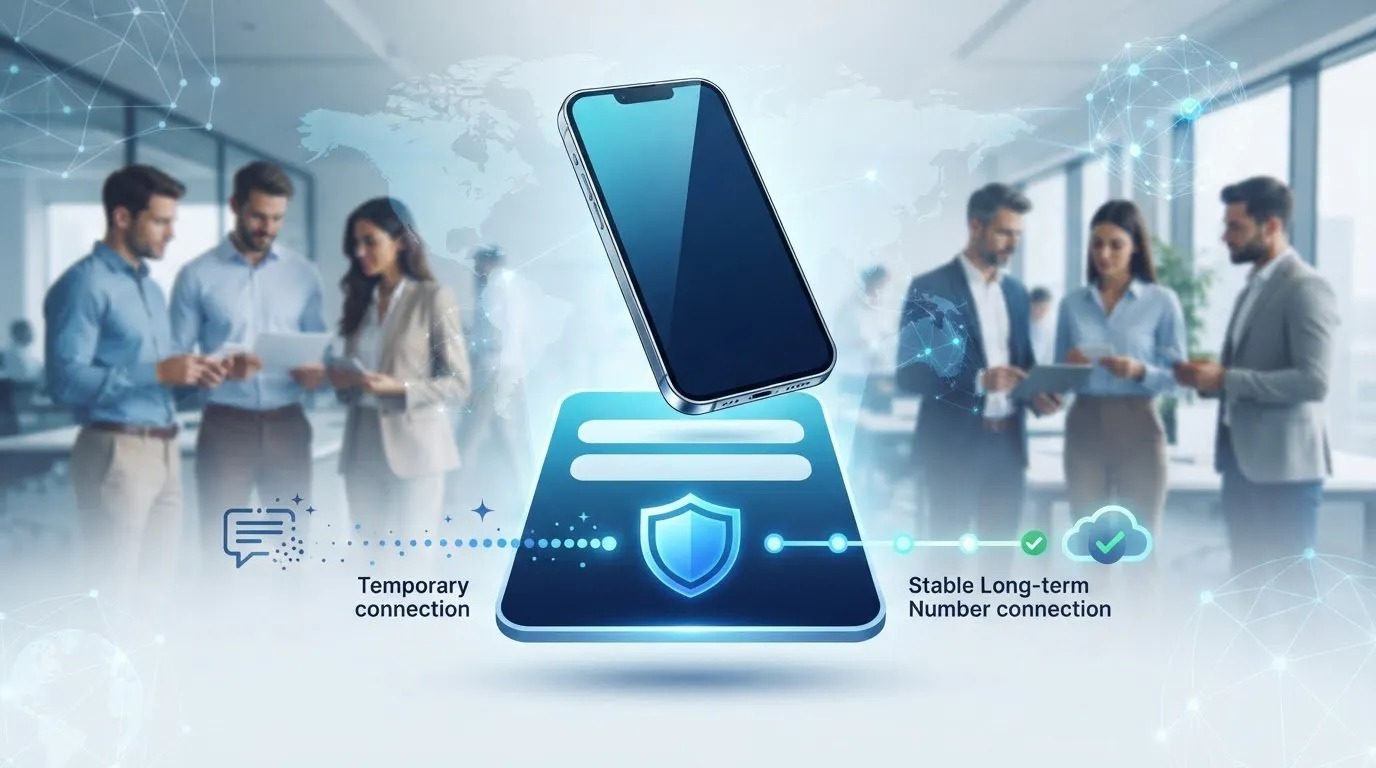
Selecting the right duration for your second number for verification is a decision based on the lifecycle of the account you're creating. A one-time SMS activation is a pragmatic choice for users who need immediate access to a service without the commitment of a recurring subscription. This model is highly efficient for disposable accounts or platforms where you don't expect to be challenged for re-verification. You pay only for the successful receipt of a single code, making it a low-cost solution for high-volume tasks.
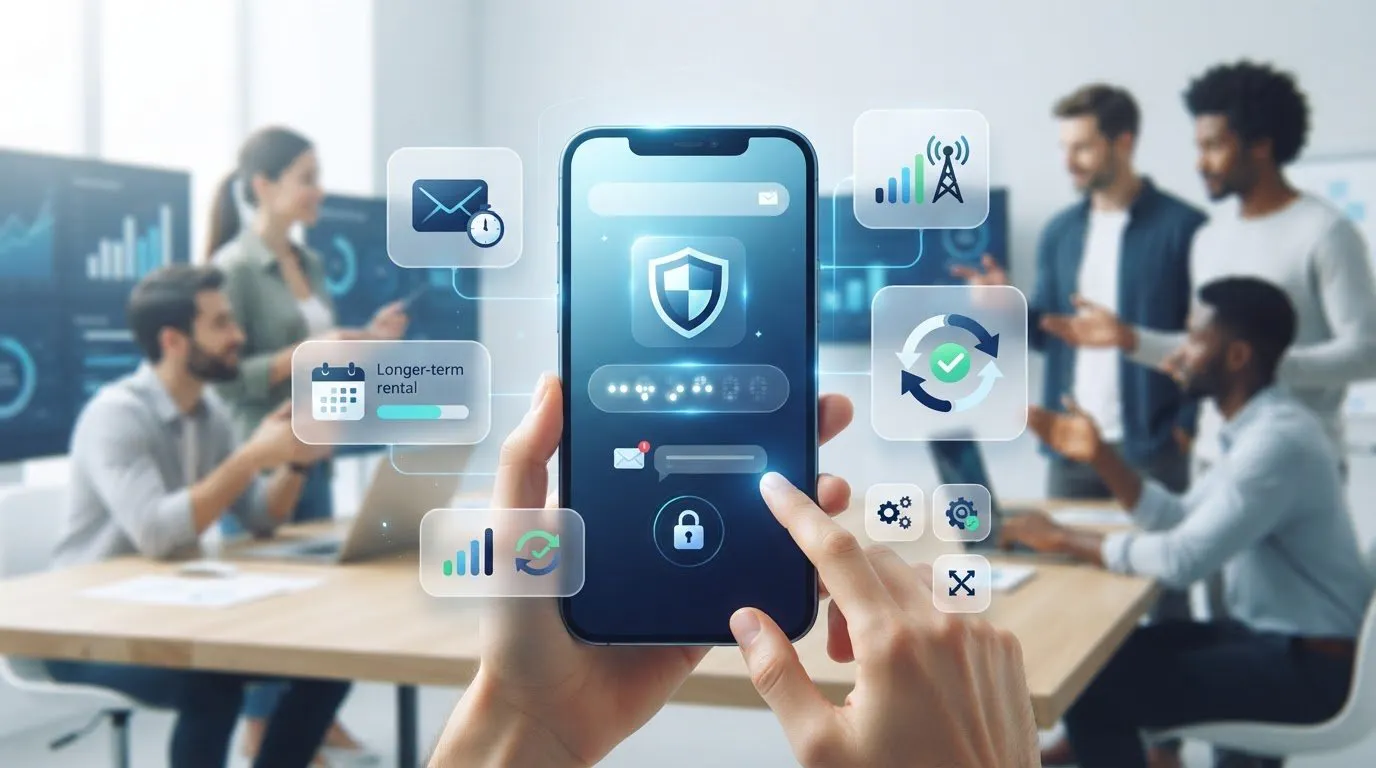
Long-term number rentals serve a different purpose. Many high-value platforms, particularly in the fintech or professional social sectors, periodically trigger security checks that require access to the original signup number. If you lose access to that number, you risk permanent account lockout. A monthly subscription provides a persistent digital identity, ensuring that you can always receive inbound SMS for password resets or security challenges. For professional operations, the Rent Mobile VoIP service offers the stability needed for consistent inbound communication without the overhead of physical hardware.
When to Use Instant SMS Activation
Instant activation is ideal for maintaining privacy on dating apps like Tinder or Bumble. Since these platforms often link your profile to your phone number, using a temporary line prevents your personal data from being indexed or searched by others. It's also a standard tool for digital marketers who need to run short-term tests on multiple social media profiles. The SMS activation service provides immediate OTP delivery from high-trust mobile ranges, allowing you to bypass filters without a permanent link to your identity.
The Case for Dedicated Virtual Number Rental
Securing financial accounts or professional hubs like LinkedIn requires a more stable approach. These platforms monitor for suspicious activity and may ask for a verification code months after the initial signup. If you used a one-time number, you're stuck. A dedicated rental ensures the number remains yours for as long as you need it. This consistency is vital for maintaining a global presence, especially when managing business accounts across different geographic markets. You can find more details on these long-term strategies in this guide to a Dedicated Virtual Number for SMS. Choosing a rental means you're investing in the longevity of your digital infrastructure rather than just a quick entry point.
Step-by-Step: Setting Up Your Second Number for Maximum Privacy
Setting up a second number for verification requires a methodical approach to bypass modern anti-fraud systems. If you simply request a code without preparing your digital environment, the platform will likely flag your attempt as suspicious. Start by selecting a number from the same country where you intend to use the service. This regional consistency is the first layer of trust for automated filters. You must ensure the service type matches the platform's requirements, specifically opting for mobile-originating lines for high-security apps.
Once you've selected your number, the next priority is your environment. Platforms track your browser fingerprint, which includes your history, hardware identifiers, and time zone. Using a clean browser profile or a dedicated anti-detect browser is essential. If you use a fresh number on a browser profile previously associated with a banned account, your new identity will be linked and terminated. Clear your cookies. Ensure your system clock matches the time zone of your chosen number's country to avoid immediate detection.
Configuring Your Digital Footprint
Platforms use your IP address to verify your location. If you use a US-based number but your IP originates from a different region, you trigger a high-risk alert. You must match your mobile proxy to your virtual number location. Mobile proxies are superior to standard VPNs because they use residential IP ranges that platforms trust. Before starting the signup, clear your browser data. Avoiding these common red flags prevents automated account bans before you even receive your code. This synergy between your IP and your number is what guarantees a successful signup.
Managing Verification Codes via API
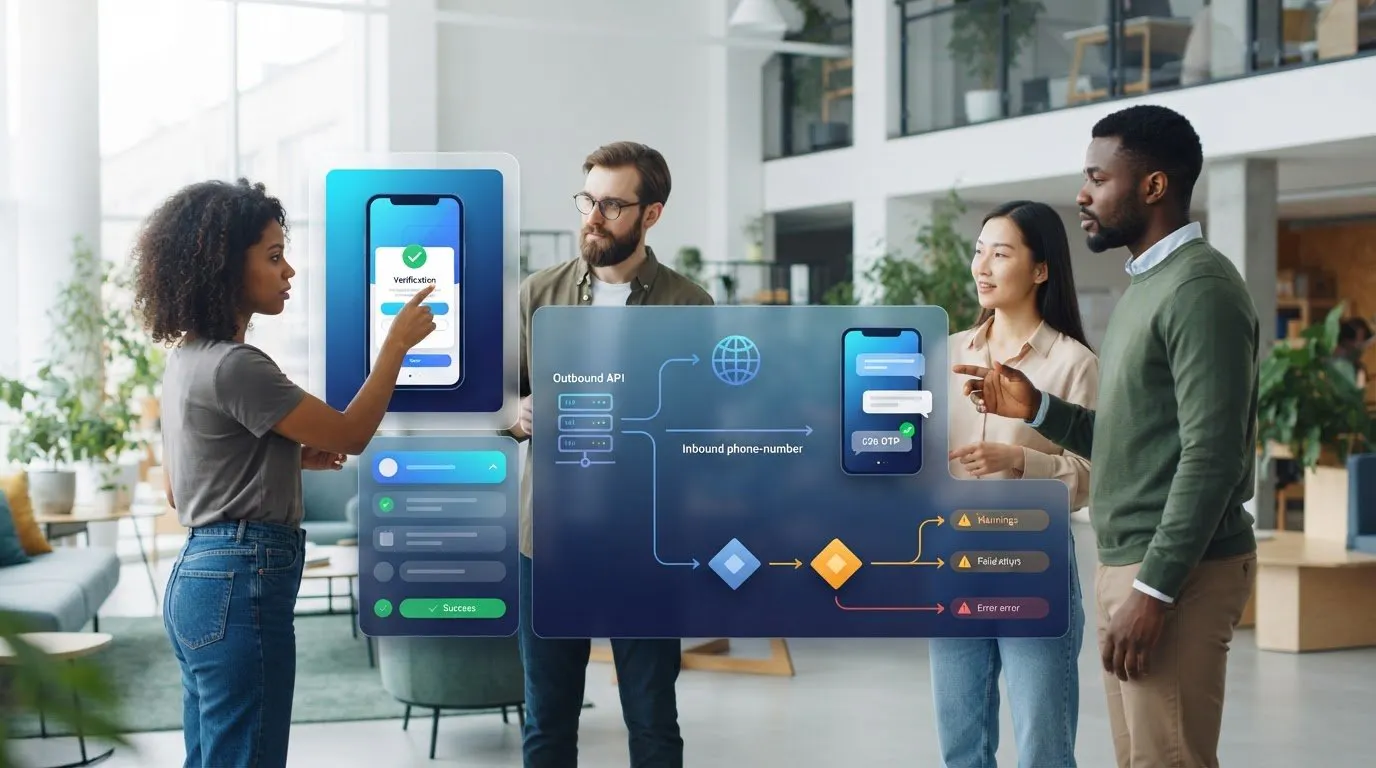
For developers or businesses managing multiple accounts, manual entry is inefficient. Using a second number for verification through the Anosim API (v1) allows you to automate the entire process. This protocol enables your software to programmatically request numbers and poll for inbound SMS codes without manual intervention. Our system also supports the SMS-Activate Standard API, making it easy to integrate with existing tools and automation scripts. This technical robustness ensures that high-volume operations remain seamless and repeatable.
If a code doesn't arrive immediately, don't repeatedly request it. This behavior is a major red flag for security systems. Instead, check your proxy connection and ensure your browser isn't leaking your true location. Sometimes, a slight delay occurs due to carrier routing. If the issue persists, the number range might be temporarily throttled by the platform, and you should try a different mobile-originating line. This pragmatic troubleshooting prevents your account from being flagged for "unusual activity" during the critical signup phase.
Ready to secure your digital identity? Get started with a high-trust verification number today.
Scaling Professional Operations with Anosim
Scaling digital operations requires more than just a single second number for verification. It demands an infrastructure capable of handling hundreds or thousands of simultaneous requests without triggering anti-bot measures. Anosim provides this through a centralized dashboard that manages global number allocations, ensuring that businesses can expand into new markets without the logistical burden of managing physical SIM cards. By centralizing your inbound communication needs, you maintain a leaner operational profile while increasing your success rate across multiple platforms.
Reliability is the core requirement for professional workflows. While individual users might tolerate a failed code, a business running automated marketing or testing suites cannot afford downtime. Our Rent Mobile VoIP and Rent Service options provide the stability needed for consistent inbound communication. This infrastructure allows you to access global markets from a single interface, providing the technical robustness required for enterprise-level tasks. We prioritize utility and security, ensuring your data remains protected without the need for intrusive registration processes.
Bulk SMS Activation for Developers
Developers building automated testing suites or marketing tools need high-throughput solutions that don't fail under load. Using the SMS-Activate Standard API, you can integrate our services directly into your existing codebase. This allows for the programmatic acquisition of numbers and retrieval of codes in real-time. Our infrastructure is optimized for high-volume environments, allowing for the processing of hundreds of concurrent verification requests with minimal latency. This level of automation is essential for maintaining operational efficiency in competitive digital landscapes where speed and reliability are paramount.
The Anosim Advantage: Mobile Infrastructure
The primary reason bulk operations fail with other providers is the use of recycled or virtual number blocks that platforms have already blacklisted. Anosim utilizes mobile-originating infrastructure, meaning our numbers are indistinguishable from standard consumer lines to platform security systems. This significantly reduces the likelihood of your accounts being flagged as "virtual" or fraudulent. We provide comprehensive support for inbound SMS and data solutions, giving you a reliable foundation for your digital footprint. If your workflow involves verifying user information against official Brazilian records, click here to discover how SOAWebServices can streamline your data queries.
Managing the strict platform filters of 2026 requires a shift from disposable software to professional telecommunications infrastructure. You've seen that successful account creation now depends on the synergy between mobile-originating numbers and clean mobile proxy IP addresses. It's about isolating your digital footprint to protect your primary data from leaks while maintaining the ability to scale operations through automated workflows.
Anosim provides the silent infrastructure necessary for these complex tasks. With dual support for the Anosim API v1 and the SMS-Activate Standard API, our platform allows you to integrate high-trust numbers directly into your professional environment. You won't have to deal with the reliability issues or "mismatched data" flags associated with generic VoIP. Instead, you can focus on your core objectives with the confidence that your verification source is backed by real carrier networks.
Take control of your digital privacy and operational efficiency. Get your second number for verification now and start building a more resilient online presence today.
Frequently Asked Questions
Can I use a second number for verification on WhatsApp?
Yes, you can use a second number for verification on WhatsApp if the number originates from a mobile carrier rather than a generic VoIP range. WhatsApp uses HLR lookups to detect and block virtual numbers that lack a physical SIM connection. To succeed, you must use a mobile-originating line that appears as a legitimate consumer device. This approach allows you to maintain a separate professional or private account without exposing your primary phone number.
Why did my verification code not arrive on my virtual number?
Verification codes often fail to arrive because platforms detect the number as non-fixed VoIP or because your IP address doesn't match the number's geographic region. If you attempt to use a German number from a US-based IP, security filters will likely block the inbound SMS. Other factors include using blacklisted number ranges from low-quality providers or failing to clear your browser cookies, which links your new number to previously flagged digital identities.
Is it possible to receive SMS online for free without registration?
Is it possible to receive SMS online for free without registration?
Receiving SMS online for free is possible but highly insecure for account verification. Public free numbers are shared by thousands of users, meaning any account you create is visible to others who can use the same number for password resets. Additionally, major apps like Google and Telegram have blacklisted almost all public free number ranges. For reliable account security, a private second number for verification from a provider like RentalNumbers.com is a necessary investment to ensure your data remains isolated.
A temporary number is designed for a single SMS activation and is typically discarded after the code is received. This is cost-effective for one-time signups; for those who need a reliable source for these, you can check out SMSOkey. A rented number provides long-term access to the same line, which is essential for accounts that require periodic re-verification or 2FA checks. If you use a temporary number for a high-value account, you risk being permanently locked out if the platform later requests a security code for recovery.
Virtual numbers work for Telegram and Tinder only if they are mobile-originating and not flagged as bulk-generated VoIP. Both platforms have aggressive anti-fraud systems that specifically target disposable numbers to prevent bot creation. Using a high-trust mobile line ensures your account bypasses these initial filters. It's also recommended to use a mobile proxy during the signup process to align your network location with the number's country for the highest success rate.
Can I use a second number to bypass 2FA on my main accounts?
You can use a second number to manage 2FA, but it's used to redirect security codes rather than bypassing the security layer. This is a common strategy for digital compartmentalization, where you keep your primary number private and use a second number for secondary services. This prevents a single data leak from compromising all your accounts. However, you must ensure you have long-term access to that number to avoid losing access to your accounts during security challenges.
How long can I keep a virtual number for verification purposes?
The duration depends on the service model you choose. One-time activations expire immediately after the SMS is received, while rental services allow you to keep a number for weeks or months. For professional operations or accounts that you intend to keep long-term, a rental subscription is the pragmatic choice. This ensures that you can receive inbound SMS at any time for security challenges or account recovery without the risk of the number being reassigned.
Are virtual phone numbers legal to use for app signups?
Using virtual phone numbers for app signups is legal in most jurisdictions, as they are legitimate telecommunications tools used for privacy and business efficiency. However, you must comply with the terms of service of the specific app you are joining. While using a second number for verification is a standard practice for protecting personal data, using them to facilitate fraudulent activity can result in account termination or legal consequences depending on your local regulations and the platform's policies.