What if the reason your social media accounts keep getting flagged isn't your activity, but the very infrastructure you're using to stay anonymous? Most professionals assume any proxy will provide cover, but relying on static datacenter IPs often leads to immediate bans and low trust scores. You've likely felt the frustration of losing a setup because a platform's AI detected your "stealth" connection in seconds. To fix this, you must understand what is a mobile proxy and how does it work within the context of modern cellular networks.
This 2026 technical guide moves past the marketing fluff to explain the mechanics of high-trust cellular IPs. You'll master the complexities of the CGNAT mechanism, which allows mobile proxies to blend in with millions of real users. We'll clarify exactly when to choose mobile over residential types and show you how to pair them with verification tools like the Anosim API (v1) in your automated workflows. By the end of this article, you'll have the technical foundation to secure your digital operations using the same infrastructure that powers global mobile carriers.
Key Takeaways
- Understand what is a mobile proxy and how does it work by routing traffic through cellular backhauls to inherit the trust of major mobile carriers.
- Learn how Carrier Grade NAT (CGNAT) technology makes your connection indistinguishable from millions of real mobile users, drastically reducing ban rates.
- Compare the trust scores of mobile, residential, and datacenter IPs to determine the most cost-effective solution for your digital tasks.
- Discover how to automate bulk verification workflows by combining mobile proxies from our partner proxied.com with the Anosim API (v1).
- Evaluate provider infrastructure based on IP pool size and location diversity to avoid the risks associated with recycled addresses.
Table of Contents
- Defining the Mobile Proxy: Why Cellular IPs Are Different
- The Technical Architecture: How Traffic Routes Through Mobile Networks
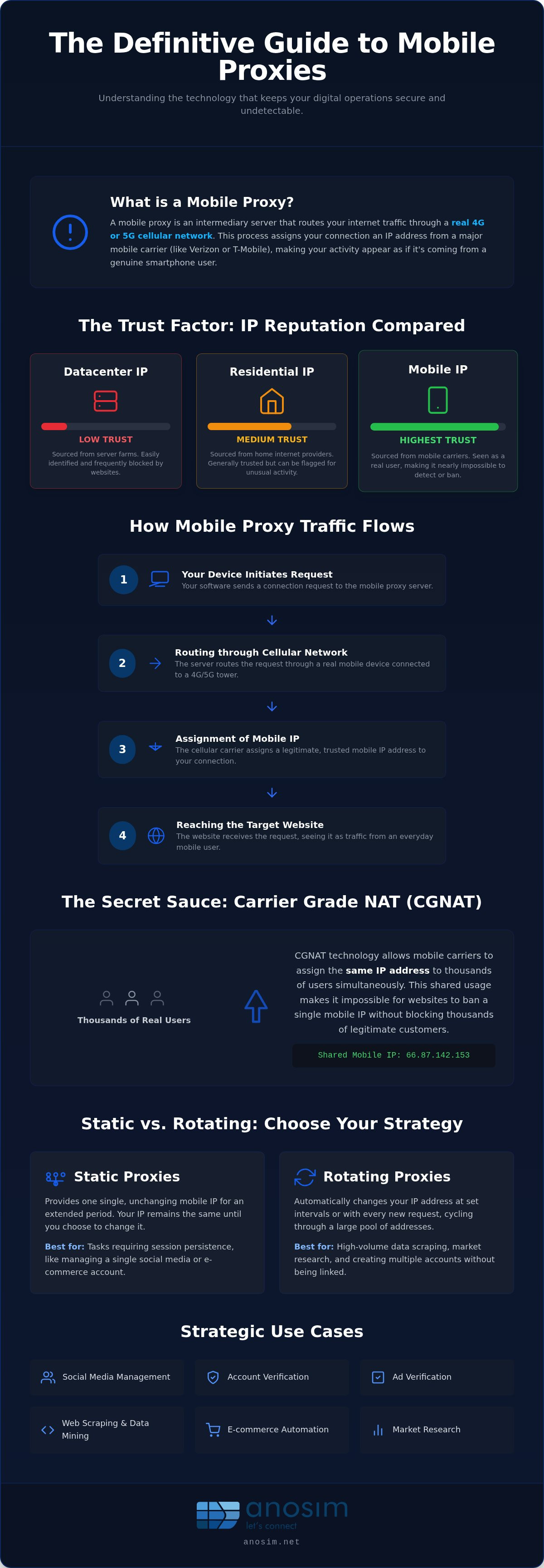
- Mobile Proxies vs. Residential and Datacenter Proxies
- Strategic Use Cases: From Social Media to Account Verification
- Choosing a Reliable Mobile Proxy Infrastructure
Defining the Mobile Proxy: Why Cellular IPs Are Different
A Proxy server functions as a bridge between a user and the internet; however, a mobile proxy introduces a layer of cellular legitimacy that other types lack. When professionals ask what is a mobile proxy and how does it work, they're looking at a system that routes traffic through the same 4G and 5G networks used by billions of smartphones. Instead of a server in a data center, the exit point is a cellular tower. This architecture involves three specific components: the proxy server that receives your initial request, the mobile gateway that translates it for cellular protocols, and the tower that assigns a legitimate IP address.
These IPs are provided by major Internet Service Providers (ISPs) like Verizon, T-Mobile, or Vodafone. Because these are the same addresses used by millions of retail customers, they possess high "trust scores" in the eyes of web servers. Websites view traffic from these IPs as coming from a real person on a mobile device. This inherent trust is why mobile proxies are the preferred tool for avoiding account restrictions during sensitive digital operations.
The Core Difference: ASN and IP Reputation
Websites determine the quality of your connection by looking at your Autonomous System Number (ASN). This is a unique identifier for the network provider. Datacenter proxies use ASNs tied to server farms, which are easily identified and often pre-emptively blocked by sophisticated firewalls. Mobile proxies use ASNs belonging to cellular carriers, which changes the reputation profile entirely.
Since thousands of legitimate users share the same mobile IPs through carrier technology, platforms can't easily blacklist them without affecting innocent customers. This creates a "clean" reputation that allows you to perform tasks like ad verification or social media management without triggering security alarms. It's a fundamental shift from trying to hide your identity to simply looking like a standard mobile user.
Static vs. Rotating Mobile Proxies
Choosing between static and rotating configurations depends on your specific operational needs. Static mobile proxies provide a single IP address for an extended period. This is ideal for tasks requiring session persistence, such as maintaining a single long-term account login without triggering a "new location" security check.
Rotating proxies are more common for high-volume tasks. They mimic natural user behavior by changing the IP address at set intervals. In 2026, we see two primary methods of rotation:
- Natural Rotation: The IP changes when the cellular carrier resets the connection or the device moves to a new tower.
- Forced Rotation: You trigger an IP change manually or via your proxy provider's API to ensure every request appears to come from a new device.
Forced rotation is particularly effective for web scraping or mass account creation. It prevents platforms from linking different actions to the same source, allowing for greater scalability and security.
The Technical Architecture: How Traffic Routes Through Mobile Networks
To grasp the full scope of what is a mobile proxy and how does it work, you must look at the path data takes from your machine to the destination server. Unlike standard connections, a mobile proxy request follows a multi-stage journey. It begins when your software connects to a backconnect server. This server acts as a central hub, managing your session and assigning it to an available cellular IP within the provider's pool. From there, the request travels through a cellular backhaul, utilizing the Mobile IP protocol to maintain a stable connection even as the underlying network environment shifts. Finally, the traffic exits through a cellular tower and reaches the target website, appearing as a standard request from a legitimate smartphone.
The backconnect server is the brain of this operation. It handles the complex task of mapping your local port to a specific mobile device or gateway in the field. This allows you to maintain a consistent session or trigger a rotation without manually reconfiguring your software. If you're building a custom solution, integrating mobile proxies into your architecture ensures your automated tasks inherit the high trust levels of these cellular routes.
Understanding CGNAT (Carrier Grade NAT)
The technical "secret sauce" of mobile proxy reliability is Carrier Grade NAT (CGNAT). Cellular carriers face a shortage of IPv4 addresses, so they use CGNAT to group thousands of individual mobile users under a single public IP address. When you use a mobile proxy, you're essentially hiding in plain sight within this massive pool of traffic.
Because so many legitimate customers share the same IP, websites cannot easily ban it. Blocking a single mobile IP could potentially lock out thousands of paying retail customers, which is a risk most platforms are unwilling to take. This infrastructure provides a level of security that datacenter IPs can't match. CGNAT is the mechanism that provides 'anonymity in a crowd' for mobile users by masking individual device identities behind a shared public IP.
5G and Network Slicing in 2026
As of 2026, 5G networks cover over 45% of the global population, fundamentally changing the performance profile of mobile proxies. The transition from 4G to 5G has moved from an emerging trend to the industry standard for professional operations. This shift has brought significantly lower latency and higher throughput, making mobile proxies viable for speed-sensitive tasks like video streaming or high-frequency data collection.
A key innovation in 2026 is network slicing. This technology allows carriers to create virtualized, independent sections of the 5G network tailored for specific needs. For proxy users, this means more consistent speeds and reduced "jitter" during peak hours. By leveraging these advanced 5G lanes, you can ensure your digital operations remain fast and reliable regardless of local network congestion.
Mobile Proxies vs. Residential and Datacenter Proxies
Selecting the right infrastructure requires a clear understanding of the trust hierarchy that governs the modern web. While all proxies mask your identity, the source of the IP determines how anti-bot systems like Cloudflare or Akamai treat your traffic. Datacenter proxies originate from server farms; residential proxies come from home ISP connections; and mobile proxies originate from cellular towers. In 2026, mobile IPs occupy the highest tier of this hierarchy because they are indistinguishable from real, high-value smartphone users.
When you ask what is a mobile proxy and how does it work in a competitive sense, the answer lies in its resilience against detection. Systems like Akamai use machine learning to identify patterns. Datacenter IPs are often flagged immediately because they don't follow typical human traffic patterns. Residential IPs are better, but they can still be linked to a single household. Mobile IPs are the gold standard for secure digital operations because they leverage the inherent trust of cellular carriers, making your requests appear as native mobile traffic.
When to Choose Mobile Over Residential
Residential proxies are often marketed as a catch-all solution, but they have limitations that 5G mobile proxies have surpassed in 2026. Home Wi-Fi connections can be unstable, and residential IP pools are frequently polluted by botnets. Mobile proxies offer superior stability and speed, especially as 5G penetration has reached over 45% of the global population. This provides a faster, more reliable backhaul for your data.
For tasks like social media account creation, mobile is the only viable choice. Platforms like Instagram and TikTok are highly sensitive to connection types. Using a mobile proxy alongside SMS activation services ensures your accounts are born on a "clean" network, mimicking the exact behavior of a retail customer. This combination significantly reduces the risk of immediate shadowbans or verification loops that often plague residential setups.
Datacenter Proxies: The Budget Alternative
Datacenter proxies remain a pragmatic choice for high-speed tasks on low-security targets. If you're scraping public data from a site without sophisticated anti-bot measures, the lower cost and higher bandwidth of a datacenter IP make sense. However, for sensitive account management, they are a liability. These IPs are fixed and easily traced back to a server ASN. Using datacenter IPs for stealth operations is often a false economy, as the cost of replaced accounts quickly outweighs the initial savings of a cheaper proxy.
Strategic Use Cases: From Social Media to Account Verification
Understanding what is a mobile proxy and how does it work is only the first step; the real value lies in how these tools enable complex digital operations. In 2026, social media management has become a game of high-stakes reputation management. Platforms like Instagram, TikTok, and X (Twitter) use sophisticated device fingerprinting and IP analysis to detect automation. By routing traffic through mobile proxies, managers can run dozens of accounts from a single workstation, with each session appearing as a unique cellular user from a specific geographic location.
Another critical application is web scraping at scale. Modern anti-scraping measures often block residential or datacenter IPs after a few hundred requests. Mobile proxies bypass these blocks by utilizing the shared nature of cellular IPs, making it nearly impossible for a target site to distinguish between a scraper and a legitimate mobile visitor. This reliability is equally vital for ad verification. Global brands use mobile proxies to ensure their advertisements are displaying correctly to real mobile users in specific countries, protecting their ad spend from fraud and misplacement.
The most effective strategy for account security involves a synergy between mobile proxies and SMS activation services. By combining a high-trust cellular IP with a real mobile number for verification, you create a digital identity that satisfies even the most stringent security audits during the account creation process. If you're ready to secure your workflows, you can rent mobile proxies designed for high-concurrency tasks.
Bypassing Account Restrictions and Bans
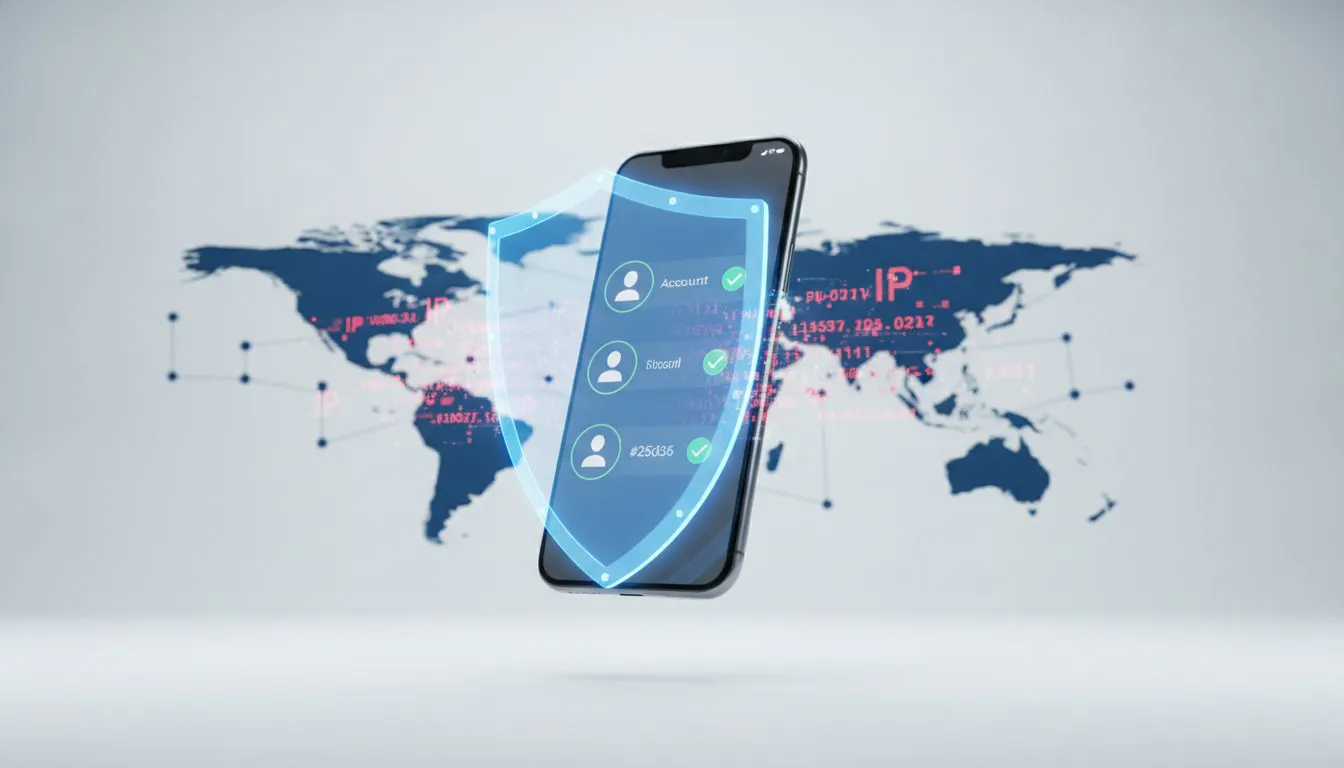
Platforms link multiple accounts by tracking shared IP addresses and browser fingerprints. If one account is flagged, every other account sharing that IP is at risk. Mobile proxies provide a clean slate for every new signup because the IP is naturally shared by thousands of other users, masking your specific footprint. This "anonymity in a crowd" prevents the chain-reaction bans that often cripple marketing agencies. You can explore more strategies for protecting digital footprints on our blog to stay ahead of evolving detection algorithms.
Scaling Operations with API Integration
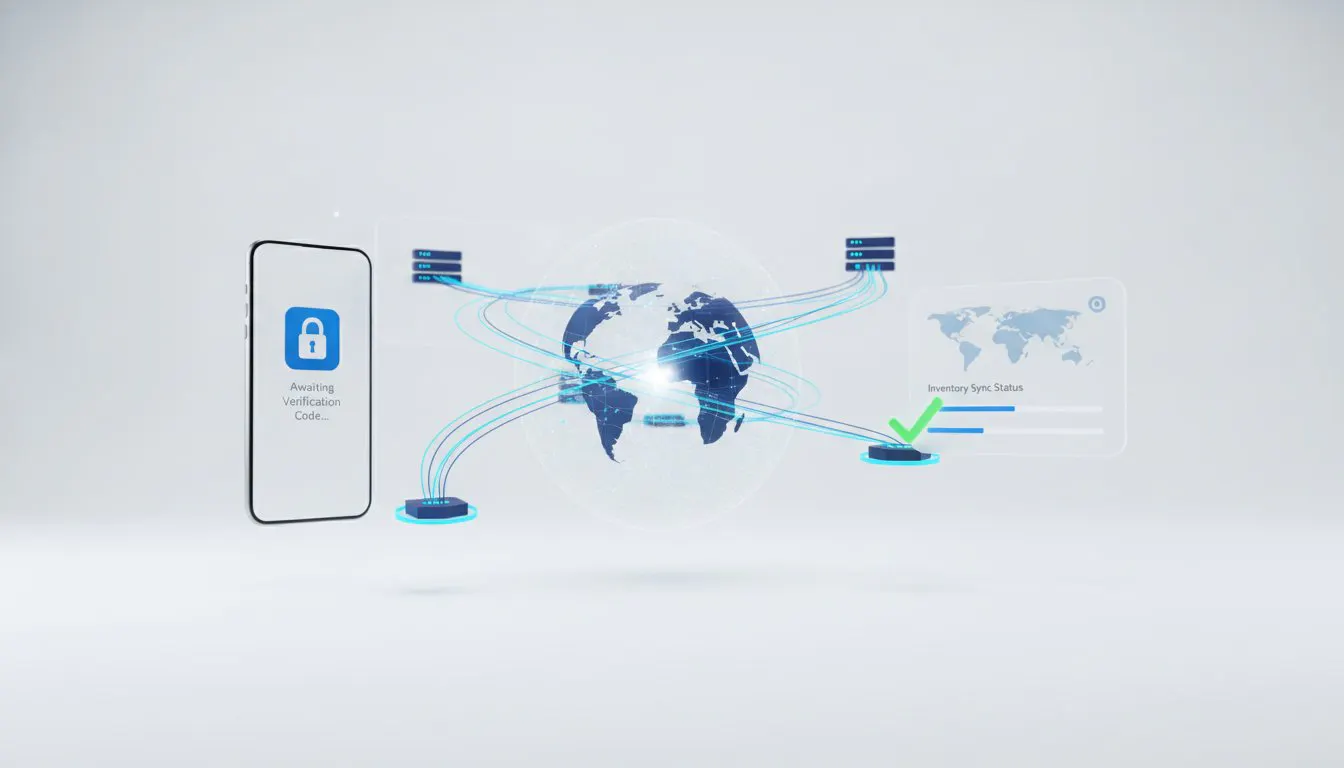
For enterprise-level tasks, manual proxy management is inefficient. Programmatic control allows you to rotate IPs, change locations, or reset sessions on demand. Mobile proxy providers usually expose these controls through their own API. On the verification side, the Anosim API (v1) automates SMS activations and number rentals. By integrating both into your software, you can trigger a forced rotation after a specific number of requests or a set time interval. This level of automation ensures that your scraping or account management tools operate 24/7 without manual intervention, maintaining high success rates even as platforms update their security protocols.
Choosing a Reliable Mobile Proxy Infrastructure
Selecting the right infrastructure is the final step in mastering what is a mobile proxy and how does it work for professional use. You must evaluate the IP pool size first. In 2026, AI-driven detection systems are faster at identifying recycled IPs. A provider with millions of unique addresses reduces the risk of using "dirty" IPs that previous users have already flagged on major platforms. Location diversity is equally important. If you can't target specific cities or countries, your localized scraping or ad verification tasks won't yield accurate data. You should also verify protocol support. While HTTP and HTTPS are standard for basic browsing, SOCKS5 is often required for high-performance software that handles heavy data loads. If you encounter configuration issues, prioritizing a provider with a robust FAQ and support system ensures you can resolve technical bottlenecks quickly.
Ethical Sourcing and Network Stability
The 2026 proxy market distinguishes between ethically sourced carrier IPs and high-risk botnet proxies. Botnet systems rely on compromised devices, leading to frequent connection failures and potential legal liabilities. Professional digital operations require proxies sourced directly from cellular carriers. This ethical approach guarantees network stability and protects your company's reputation. High-quality providers leverage 5G infrastructure to maintain lower latency and consistent speeds. In 2026, network uptime is just as critical as the inherent trust score of the cellular IP. Without stability, even the most trusted IP address won't save an automation script that fails mid-session.
Integrating Proxies into Your Workflow
A successful integration starts with a clear setup checklist. First, choose between IP whitelisting or username and password authentication based on your software's capabilities. Second, define your rotation logic; determine if you need a static IP for long-term session persistence or frequent rotations for mass data collection. You should always test your proxy trust scores using external tools to ensure the ASN is correctly identified as a cellular carrier. To maximize the success of your account management, explore long-term number rentals to complement your proxy strategy. Linking a high-trust mobile IP with a dedicated mobile number creates a stable digital footprint that bypasses the most aggressive anti-bot filters.
Future-Proofing Your Digital Infrastructure in 2026
Understanding what is a mobile proxy and how does it work provides the technical foundation needed to navigate an increasingly restricted digital environment. By 2026, the trust hierarchy has shifted decisively toward cellular infrastructure. Mobile proxies succeed where others fail because they leverage the inherent legitimacy of carrier networks and the shared anonymity of CGNAT technology. Whether you're managing social media assets or scraping data at scale, the reliability of your IP addresses determines the longevity of your operations.
Selecting a partner that prioritizes high-trust cellular IPs and developer-friendly tools is essential for maintaining efficiency. Don't settle for datacenter IPs that trigger immediate bans; instead, combine mobile proxies from our partner proxied.com with the Anosim API (v1) for seamless verification automation. With a well-planned setup, your workflows will remain stable. It's now possible to bypass aggressive anti-bot measures and secure your digital footprint with confidence.
Secure your digital operations with high-trust mobile proxies from our partner proxied.com. It's time to build your workflows on a foundation of professional-grade reliability.
Frequently Asked Questions
Is using a mobile proxy legal for web scraping?
Yes, using a mobile proxy for web scraping is legal in most jurisdictions, provided the activity complies with local laws such as the Computer Fraud and Abuse Act. You must also respect the target website's terms of service and data privacy regulations. In 2026, the EU AI Act enforces stricter rules on data collection and residency. It's essential to use ethically sourced carrier IPs rather than compromised devices to maintain professional compliance.
How many accounts can I manage with one mobile proxy?
You can typically manage 5 to 10 social media accounts per mobile proxy, though this depends on the platform's specific security thresholds. Because mobile IPs share trust via CGNAT, they are more resilient than other types. However, excessive activity from a single IP can still trigger verification loops. For larger operations, developers often use their proxy provider's API to automate rotation, ensuring each account remains isolated and secure during automation.
What is the average speed of a 5G mobile proxy in 2026?
In 2026, 5G mobile proxies typically deliver download speeds between 150 Mbps and 300 Mbps, depending on the carrier's local infrastructure. With 5G coverage now exceeding 45% of the global population, latency has dropped significantly compared to older 4G LTE standards. This performance boost makes mobile proxies suitable for high-bandwidth tasks like video verification or high-frequency data scraping without the bottlenecks often associated with traditional residential Wi-Fi connections.
Do mobile proxies support SOCKS5 protocol?
Yes, professional mobile proxy services almost always support the SOCKS5 protocol alongside HTTP and HTTPS. SOCKS5 is preferred for complex automation because it handles all types of traffic, including UDP, and offers better performance for high-concurrency tasks. When you're evaluating what is a mobile proxy and how does it work for your specific software, ensure your provider allows SOCKS5 integration to maintain maximum flexibility across different applications and operating systems.
Why are mobile proxies more expensive than other types?
Mobile proxies are more expensive because they require physical cellular hardware and active data plans from major telecommunications carriers. Unlike datacenter proxies that run on cheap virtual servers, mobile proxies utilize the same high-trust infrastructure as retail smartphone users. The cost reflects the scarcity of mobile IPs and the technical complexity of routing traffic through cellular backhauls. This investment is necessary for operations where avoiding IP bans is the primary requirement.
Can websites detect that I am using a mobile proxy?
Websites can detect the type of connection you're using, but they see a mobile proxy as a legitimate cellular user. Security systems look at the Autonomous System Number (ASN) to identify the network provider. Because your traffic originates from a major carrier like T-Mobile or Vodafone, it receives a high trust score. While a site can see the IP belongs to a mobile network, it cannot easily distinguish your requests from those of a real person.
How do I rotate my mobile proxy IP address?
You can rotate your mobile proxy IP address either through a manual dashboard toggle or programmatically via an API. Your proxy provider's API typically allows you to trigger a forced rotation whenever your workflow requires a fresh identity. This process resets the cellular connection at the gateway, prompting the carrier to assign a new public IP from their pool. Automatic rotation intervals can also be set to mimic natural mobile user behavior over time.
What is the difference between a mobile proxy and a VPN?
A mobile proxy routes your traffic through a cellular network to provide a high-trust IP address, while a VPN focuses on encrypting your entire device's connection. VPNs often use datacenter IPs that are easily flagged by sophisticated anti-bot systems. In contrast, mobile proxies are specialized tools for account management and scraping. They allow you to look like a native mobile user rather than someone simply hiding their location behind a generic encrypted tunnel.