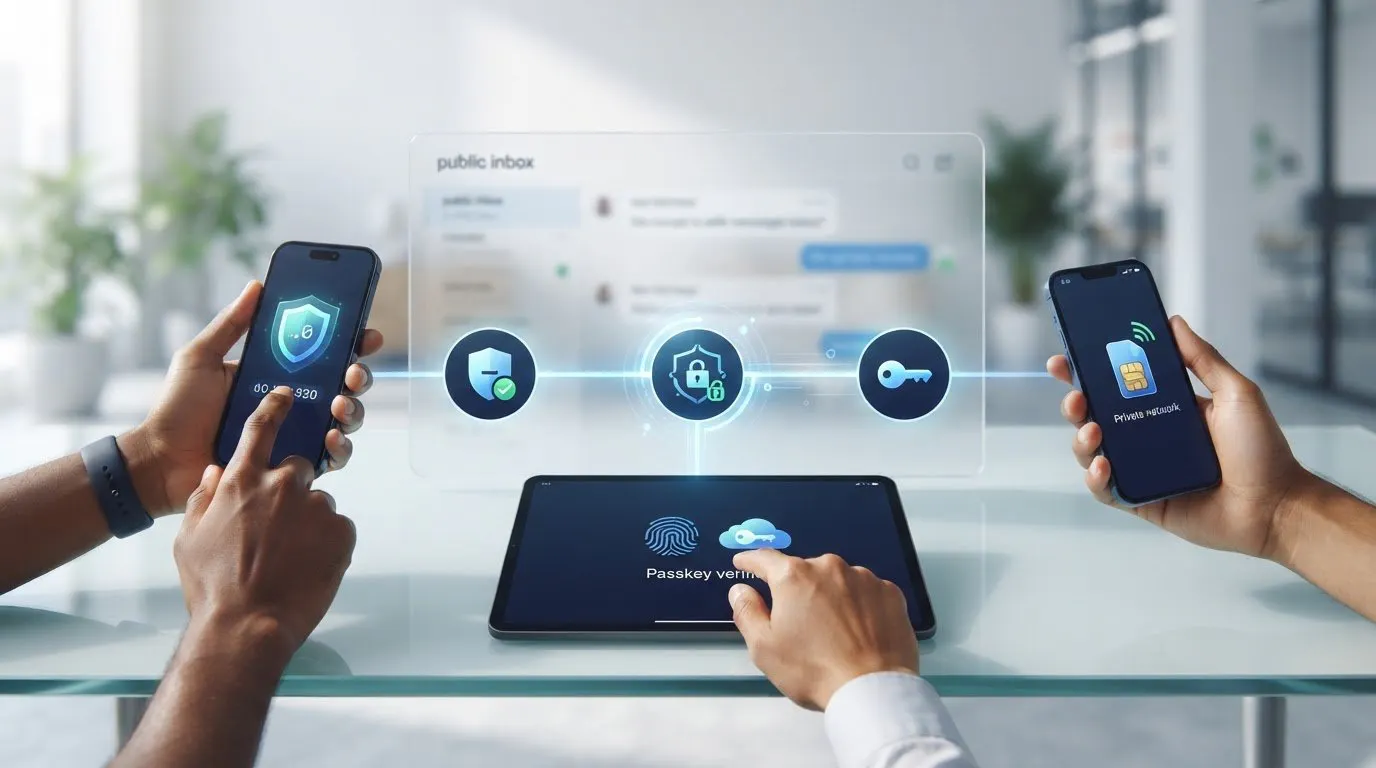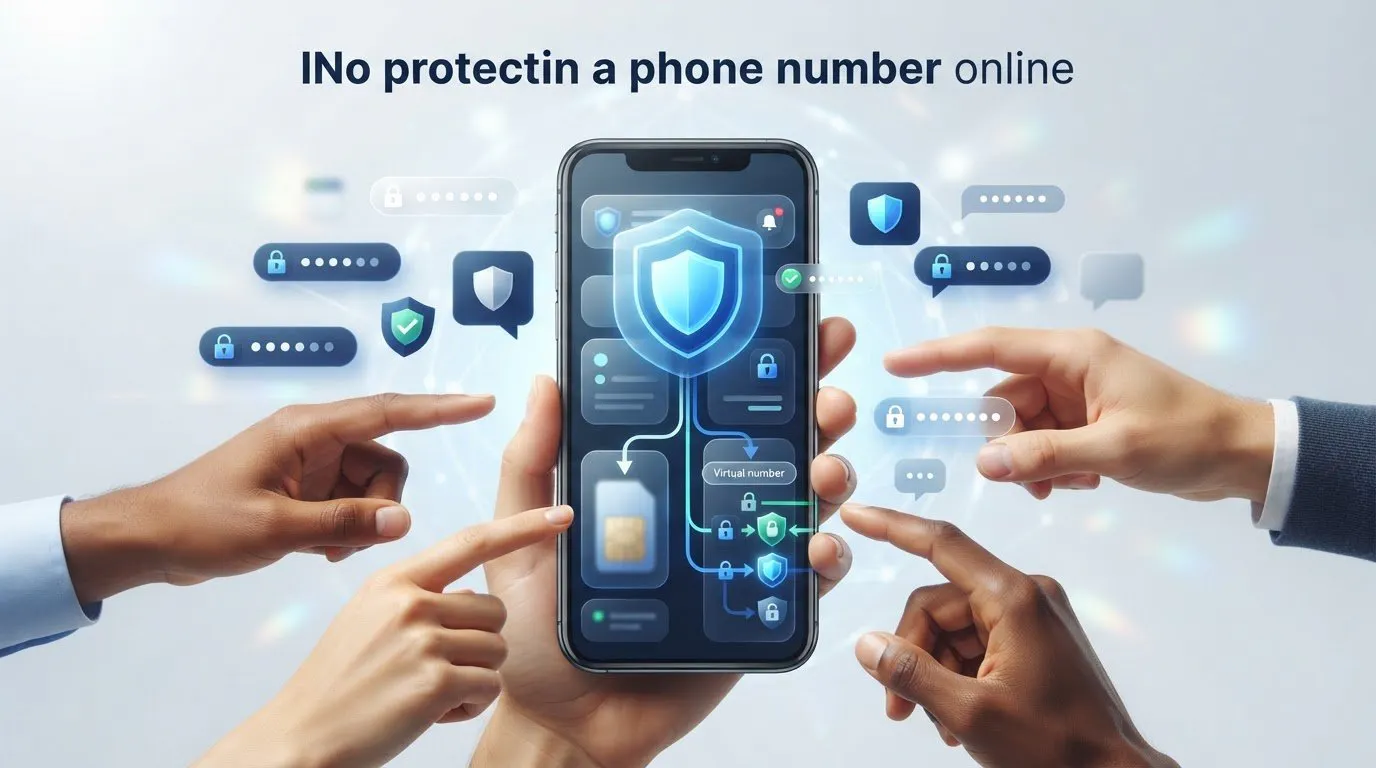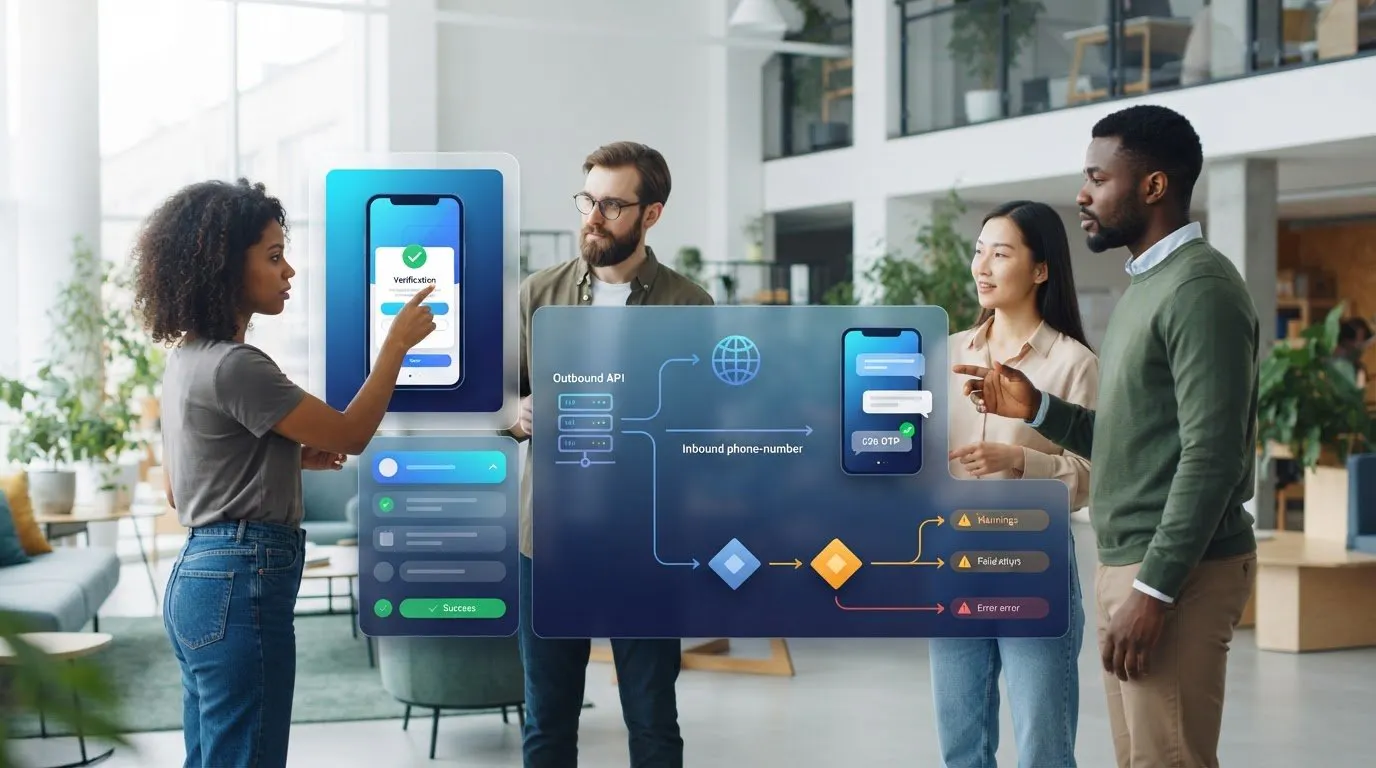
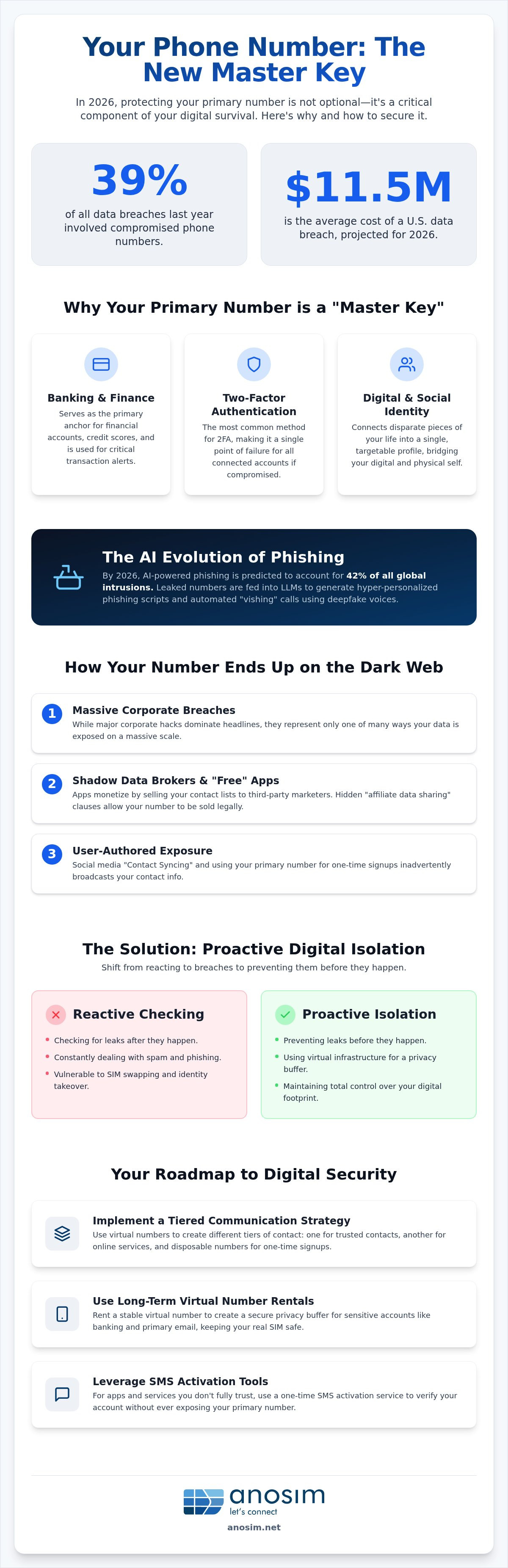
Did you know that phone numbers were compromised in 39% of all data breaches last year? With the average cost of a U.S. data breach hitting $11.5 million in 2026, your personal digits have become a high-value asset for hackers and AI-powered phishing bots. Learning how to avoid phone number data leak incidents is no longer optional; it's a critical component of digital survival. It's frustrating to realize that every time you verify an account with a reputable app, you're potentially handing over the master key to your identity. If you're tired of the relentless spam calls and the constant fear of SIM-swapping, you're not alone.
This guide provides a proactive roadmap to help you shield your primary number through advanced digital isolation strategies. You'll learn how to implement a set and forget approach that leverages virtual infrastructure rather than physical hardware. We will examine the specific tools, such as SMS activations and long-term number rentals, that prevent leaks before they happen. By the end of this article, you'll understand how to maintain total control over your primary contact info while managing your digital footprint with quiet confidence and technical competence.
Key Takeaways
- Understand why your phone number is a higher-value target than your email in 2026 due to its critical role in banking, 2FA, and social identity.
- Identify the primary vectors for exposure, including how "free" apps monetize your personal contact information through shadow data brokers.
- Learn how to transition to a proactive digital isolation model to avoid phone number data leak incidents before they compromise your identity.
- Implement a tiered communication strategy that uses virtual number rentals to create a secure privacy buffer for sensitive accounts.
- Discover how SMS activation tools allow you to bypass the need for a primary number during account verification for total contact control.
Table of Contents
- The Anatomy of a Phone Number Data Leak in 2026
- How Your Primary Number Ends Up on the Dark Web
- Reactive Checking vs. Proactive Digital Isolation
- Practical Strategies to Avoid Phone Number Exposure
- Securing Your Digital Footprint with Anosim Infrastructure
The Anatomy of a Phone Number Data Leak in 2026
A phone number data leak occurs when your Mobile Station International Subscriber Directory Number (MSISDN) and its associated metadata are exposed without authorization. This isn't a simple technical error; it's a structural vulnerability in your personal security. The Anatomy of a Phone Number Data Leak involves the exposure of your location history, service provider details, and the unique identifiers used to link your mobile device to your legal persona. Data leakage is the silent byproduct of the modern "signup-first" economy where access to almost any service is gated by mobile verification.
In 2026, a phone number is a significantly higher-value target than an email address. Your mobile number serves as the primary anchor for banking, social identity, and two-factor authentication (2FA). While you can rotate email addresses with minimal friction, changing a primary phone number disrupts your entire professional and social life. This persistence makes it the perfect target for the "Cascade Effect." Once your number is leaked, it often triggers a chain reaction of SIM swapping and credential stuffing. Hackers use the compromised number to reset passwords across multiple platforms, turning a single leak into a total identity takeover.
To effectively avoid phone number data leak incidents, you must recognize that your number is no longer just a communication tool. It is a digital fingerprint that connects disparate pieces of your life into a single, targetable profile.
The AI Evolution of Phishing and Spam
Artificial intelligence has transformed how hackers utilize stolen data. Leaked numbers are now fed into Large Language Models (LLMs) to generate hyper-personalized phishing scripts. These scripts use your metadata to reference recent transactions or local events, making them nearly impossible to spot. Automated "vishing" (voice phishing) tools also use deepfake technology to mimic legitimate support agents. By the end of 2026, AI-powered phishing is predicted to account for 42% of all global intrusions. These messages are often indistinguishable from official service notifications, leading to high success rates for attackers.
Why Your Primary Number is a "Master Key"
Your primary number functions as a master key because it bridges the gap between your digital and physical selves. It is often linked to your credit score and financial records through shadow data aggregators that monitor your digital footprint. Hackers exploit this link to bypass security layers using sophisticated social engineering. By convincing a telecom representative to port your number, they gain access to every account you've secured with SMS-based 2FA. Beyond the financial risk, the psychological impact of losing control over your primary communication line is intense. It leaves you digitally isolated and vulnerable in an increasingly connected world.
How Your Primary Number Ends Up on the Dark Web
While major corporate hacks dominate the headlines, they represent only a fraction of how your contact data is exposed. To effectively avoid phone number data leak incidents, you must understand the three primary vectors of exposure: massive corporate breaches, shadow data brokers, and user-authored exposure. In the first half of 2026, the ITRC reported 1,803 data compromises in the U.S. alone, resulting in 471.2 million victim notices. However, the most insidious threats often come from services you've voluntarily joined.
Shadow data brokers operate in a legal gray area, aggregating information from "free" apps that monetize by selling user contact lists to third-party marketing aggregators. When you grant an app permission to access your contacts, you aren't just sharing your data; you're leaking the numbers of everyone in your address book. Social apps exacerbate this through "Contact Syncing" features that inadvertently broadcast your primary number to their entire database. Even "Account Recovery" flows on popular websites pose a risk by exposing partial numbers, which malicious actors use to verify targets for more complex attacks.
The App Signup Trap
Many digital services claim that "mandatory" phone verification is for your security. In reality, it's often a data collection tactic designed to anchor your identity for advertisers. Hidden clauses in Terms of Service frequently permit "affiliate data sharing," allowing your number to move through a chain of partners without your explicit consent. Consider the common scenario where a one-time signup for a 10% discount code leads to years of unsolicited spam. This happens because your number was sold to a lead aggregator the moment you hit "submit." To stay protected, you might consider using a virtual number for rentals instead of your primary line.
Web Scraping and Public Directories
Automated bots constantly scrape numbers from classified ads, job boards, and social profiles. Even if you set your social media to "private," your number might still be indexed by "People Search" sites that aggregate leaked data into searchable profiles. Securing Your Digital Footprint requires a shift in perspective; you have to assume that any data entered into a public-facing form will eventually be scraped. The myth of the "private" profile on modern social platforms is dangerous, as these platforms often experience API leaks that expose user data to unauthorized scrapers despite your privacy settings.
Reactive Checking vs. Proactive Digital Isolation
Most security strategies follow a "Check and Regret" model. This reactive approach relies on breach notifications that often arrive months after the initial exposure. According to IBM's 2026 Cost of a Data Breach Report, it takes an average of 247 days to identify and contain a breach. By the time you use a leak checker to see if your info is on the dark web, your data has already been circulating for nearly eight months. To effectively avoid phone number data leak consequences, you must transition to an "Isolate and Protect" model. This proactive strategy ensures your primary MSISDN never enters a third-party database in the first place.
Proactive isolation involves using "Digital Buffers." These are intermediate infrastructure layers that handle verification and communication without exposing your permanent identity. Traditional tools like "Do Not Call" registries are increasingly obsolete in 2026. These registries were designed for a regulated, domestic landscape, but the modern internet is global and decentralized. Overseas scammers and AI-powered bots ignore these lists entirely, making infrastructure-based isolation the only reliable defense.
The Fallacy of the "Safe" Database
No database is 100% secure, regardless of the company's size or reputation. A Zero Trust approach to personal data is the only logical response to the current threat landscape. The principle is simple: if they don't have your primary number, they can't leak it. This philosophy treats every app signup as a potential vulnerability. Our Anosim FAQ explains how virtual numbers create a technical buffer that keeps your primary line invisible to the "signup-first" economy.
Comparison: Leak Checkers vs. Virtual Numbers
When choosing a protection strategy, consider the difference between knowing you've been compromised and preventing the compromise entirely. The following comparison contrasts these two approaches across the metrics that matter.
- Speed of protection: leak checkers work post-breach and often alert you months after the fact, while a virtual number protects you in real time from the first signup.
- Primary efficacy: leak checkers offer damage control once the data is out; virtual numbers prevent the exposure in the first place.
- User effort: leak checkers require continuous monitoring, whereas a virtual number is a one-time setup.
- Security level: with a leak checker your data is already circulating; with a virtual number your primary line stays private.
A common objection is that using a real number is "easier." While it saves a few seconds during signup, the hidden cost of spam is immense. With an average of 2,090 cyberattacks occurring per week as of May 2026, the time lost to filtering AI-driven phishing and vishing attempts far outweighs the effort of using a virtual buffer. Proactive isolation is a "set and forget" strategy for long-term privacy.
Practical Strategies to Avoid Phone Number Exposure
Moving from theory to implementation requires a systematic approach to your digital presence. To effectively avoid phone number data leak risks, you must treat your primary MSISDN as a restricted asset. Most users default to using one number for everything from banking to restaurant loyalty programs. This creates a single point of failure that compromises your entire identity when one database is breached. A proactive isolation strategy breaks this link by categorizing your digital interactions into specific risk tiers.
- Step 1: Audit your footprint. Identify every platform where your primary number is stored. If a service doesn't require high-trust identity verification, it shouldn't have your real contact data.
- Step 2: Tiered strategy. Reserve your primary line for family, close friends, and verified financial institutions. Use intermediate layers for everything else.
- Step 3: One-time activations. For non-essential apps that require a quick OTP, use an SMS Activation to bypass the signup gate without long-term tracking.
- Step 4: Long-term isolation. Transition sensitive accounts like social media or professional tools to long-term virtual rentals to avoid phone number data leak incidents on platforms with high breach rates.
- Step 5: IP Masking. Utilize mobile proxies from our partner proxied.com for high-volume verification workflows. This hides your IP-linked data, preventing platforms from correlating your various digital personas into a single targetable profile.
Tiered Privacy: Choosing the Right Tool
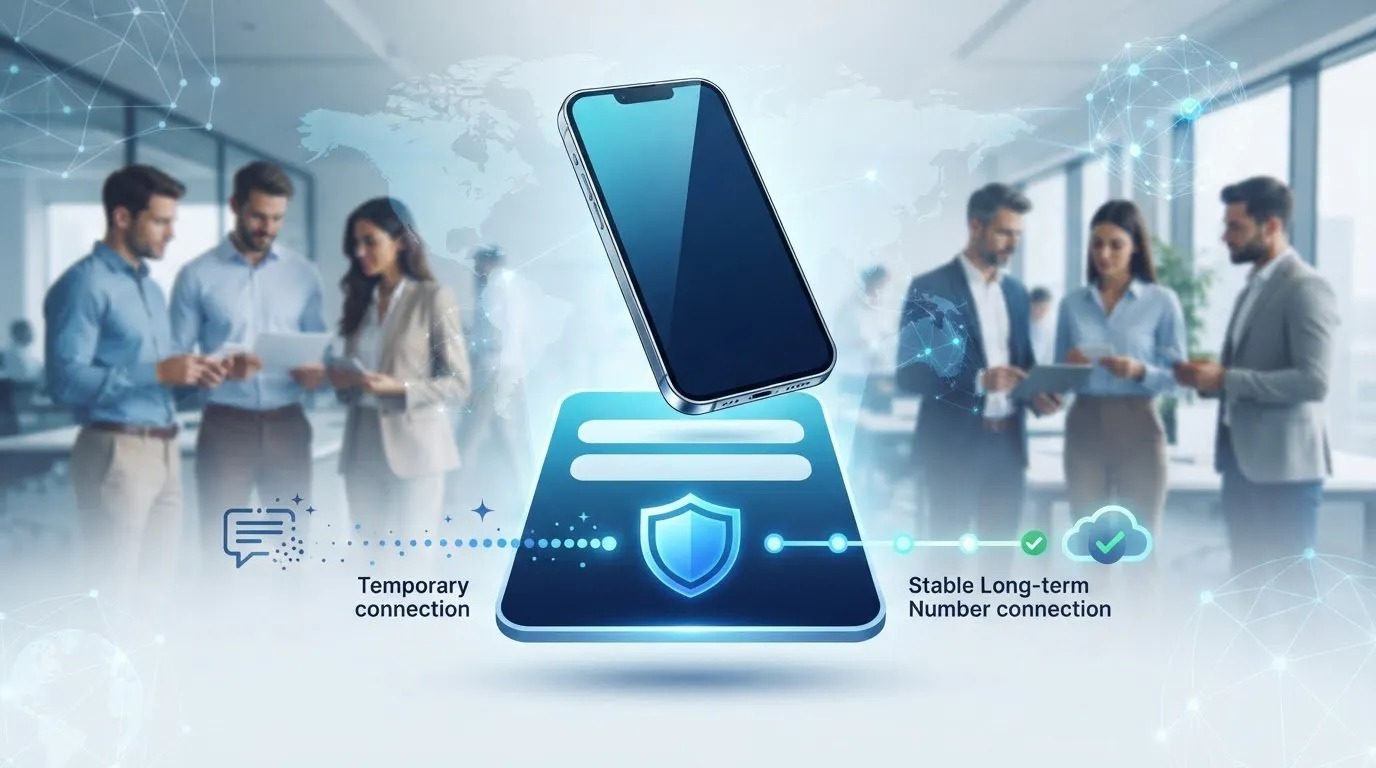
Selecting the appropriate tool depends on the account's expected lifecycle. An SMS Activation is the pragmatic choice for instant, one-off OTPs where you don't need future access. If you need to Rent a Number for 30 days or more, it's better suited for social media or business tools that require periodic re-verification. For services with strict security filters, Mobile VoIP offers a higher trust score than standard VoIP. This allows you to bypass "no-virtual-number" blocks that often flag cheaper, lower-quality alternatives.
Bypassing Intrusive Verifications
Platforms like Tinder, Telegram, or Discord often demand a phone number under the guise of preventing spam. In reality, this links your social activity to your legal identity. You can use virtual numbers to verify these accounts without compromising your privacy. For specific platform guides, see our article on how to Bypass Tinder Phone Verification Without Data Leaks. Always ensure you are using "Clean IPs" through mobile proxies from our partner proxied.com during the verification process. This prevents automated bans triggered by suspicious network signatures or shared IP addresses associated with data centers.
Secure your next account verification by choosing a Mobile VoIP rental today to maintain total control over your digital footprint.
Securing Your Digital Footprint with Anosim Infrastructure
Securing your digital footprint requires more than just awareness; it demands reliable infrastructure. Anosim serves as a pragmatic facilitator for users who prioritize operational efficiency and digital anonymity. By providing the tools to decouple your identity from the services you use, we offer a technical solution to a systemic privacy problem. Utilizing professional-grade virtual numbers is the most effective way to avoid phone number data leak risks across all your digital accounts. Our infrastructure focuses exclusively on inbound SMS and data solutions, ensuring that your virtual buffer remains a dedicated receiving point for sensitive verification codes.
The platform is designed for stability and technical robustness. It provides global virtual number coverage; the high-trust mobile proxy infrastructure comes from our partner proxied.com, so bulk verification workflows run without triggering security flags. This utility-first approach positions Anosim as a silent partner in your digital operations, offering a sophisticated toolset rather than a flashy consumer service. Whether you're an individual privacy advocate or an enterprise-level user, these tools provide the infrastructure needed to manage your digital footprint with quiet confidence and technical competence.
Professional Solutions for Privacy Advocates
For accounts that require a higher level of trust, Mobile VoIP rentals offer a significant advantage over standard virtual lines. These numbers carry higher reputation scores, making them ideal for high-stakes account verifications. To add a second layer of protection, Mobile Proxies from our partner proxied.com mask your network origin, preventing platforms from linking your activity through IP tracking. A key security feature of our service is the "No Outgoing" policy. Because our numbers can't be used for outgoing SMS or voice calls, they're protected from misuse and harassment reports, ensuring they remain "clean" and reliable for your inbound verification needs.
Scaling Privacy with the Anosim API
Power users and developers can automate their privacy workflows using the Anosim API (v1). This allows for the seamless integration of SMS activations into custom applications or automated scripts. If you're already using existing verification tools, our compatibility with the SMS-Activate Standard API ensures a smooth transition to our high-utility infrastructure. Automation is the final step in a "set and forget" privacy strategy, allowing you to scale your isolation efforts without increasing manual overhead. Protect your primary number today with a dedicated virtual buffer and regain total control over your personal data.
Future-Proofing Your Digital Identity
The digital landscape of 2026 demands a shift from reactive monitoring to proactive isolation. Relying on breach notifications is insufficient when your primary phone number serves as the master key to your financial and social life. By implementing a tiered communication strategy, you ensure that high-risk platforms only interact with your virtual buffers rather than your permanent identity. The most reliable way to avoid phone number data leak vulnerabilities is to maintain strict control over who has access to your primary MSISDN.
Anosim provides the technical infrastructure to make this isolation seamless. With global inbound SMS coverage and high-trust Mobile VoIP options, you can verify any service without exposing your personal data. For those managing high volumes of accounts, our API-driven automation ensures that privacy remains an efficient, "set and forget" process. Secure your digital identity with Anosim virtual numbers today. Taking these steps now ensures your personal information remains private, no matter how data-hungry the modern economy becomes. You have the tools to stay anonymous; it's time to use them.
Frequently Asked Questions
How do I know if my phone number has already been leaked?
You can identify a compromise by using reputable breach monitoring tools that aggregate data from known corporate leaks. If your primary number is associated with a breach, these services will flag the specific incident and the type of metadata exposed. An uptick in hyper-personalized spam calls or SMS phishing attempts is also a strong indicator that your data is circulating. Monitoring these signs is a reactive step in your effort to avoid phone number data leak consequences.
Can I remove my phone number from the dark web once it is leaked?
No, it's impossible to delete information from the dark web once it has been distributed across decentralized hacker forums. Data is mirrored and sold multiple times, meaning you can't recall it. Your focus should shift to mitigation by changing passwords and isolating your primary number from future signups. Moving forward, use virtual buffers to ensure new services never receive your permanent contact details, preventing further exposure of your identity.
Is using a virtual phone number for verification legal?
Yes, using virtual numbers for account verification is legal and serves as a legitimate privacy-enhancing technology. These tools allow you to manage your digital footprint and protect your personal data from corporate overreach or security breaches. While some individual platforms have terms of service that discourage virtual numbers to prevent botting, using them for personal anonymity is a standard practice for security-conscious users globally. It is an essential tool for digital isolation.
Will a virtual number work for apps that block VoIP numbers?
While basic VoIP numbers are often flagged by strict security filters, high-trust Mobile VoIP rentals have a much higher success rate. Platforms like Tinder or Telegram use reputation scoring to block low-quality virtual lines. Anosim provides mobile-integrated infrastructure that presents a more legitimate profile to these services. If a standard activation fails, switching to a dedicated mobile rental usually bypasses these restrictions effectively because the numbers originate from mobile carrier ranges.
What is the difference between SMS activation and renting a number?
SMS activation is a one-time service designed for a single OTP verification, making it ideal for quick app signups. Once the code is received, the number is discarded. In contrast, renting a number provides you with exclusive access to a virtual line for 30 days or longer. This allows you to receive multiple codes over time, which is essential for accounts that require periodic re-verification or long-term access to maintain security.
How does a mobile proxy help prevent data leaks?
A mobile proxy prevents data leaks by masking your network origin and routing your traffic through legitimate mobile carrier infrastructure. This stops platforms from linking your various accounts through your home or office IP address. By rotating your IP, you prevent trackers from building a comprehensive profile of your digital activity. It's a critical layer for anyone managing multiple accounts who needs to maintain absolute digital isolation and avoid phone number data leak correlations.
Can I use a virtual number for 2FA on my bank account?
While you can technically use a virtual number, many financial institutions require a number linked to a physical SIM or a high-trust mobile contract. More importantly, SMS-based 2FA is inherently less secure than hardware security keys. For banking, it's safer to use a hardware key. Use virtual numbers instead to isolate your social media, dating apps, and retail accounts where the risk of a data breach is significantly higher than at a bank.
What should I do immediately if I suspect a SIM swap attack?
If your phone suddenly loses signal and shows "No Service" in a high-coverage area, contact your mobile carrier immediately from a different line to lock your account. You should then log into your primary email and bank accounts to change passwords and check for unauthorized recovery attempts. Notify your close contacts that your number may be compromised to prevent them from falling for social engineering scams sent from your identity while you regain control.